
- Screwless wiring (push-in) – No screwdriver required
- Color coded leds show inputs and outputs on every terminal – no voltmeter required
- EASY pushbutton & dip switch setup makes configuration a snap and confirmation of settings in just a glance – NO manual needed
- Temperature sensor included & supply temp displayed on the bright led display, visible even in the dark – NO flashlight needed
- MODES SHOWN ON DISPLAY tell you what the board is doing at all times in plain english – NO guessing what codes mean
- SmartZone can be used with any equipment – Heat Pump, Gas, Electric, radiant, geothermal, etc. as long as it is controlled by 24v.
- Single-stage & Multi-Stage equipment can be used (3 heat & 2 cooling stages)
- Heat pump equipment can be used with auxiliary & emergency heat – both electric and dual fuel - flawlessly with SmartZone (requires heat pump thermostat connected to Zone 1)
- SmartZone can be paired with any thermostat from the most expensive WiFi stat to the cheapest mechanical thermostat.
- Any 24v damper (Spring or power) can be controlled by SmartZone
- Smartzone has exclusive advanced features:
- - Economy Mode allows setback of all zones with the flip of a switch. When in eco mode, the system will only energize if zone 1 makes a call. This feature is great for vacations or if some of the zones are rarely used.
- - Fresh air control allows control of an outside air damper and the system fan on a schedule to bring in fresh air in a prescribed amount. If fresh air control is required, smartzone-4x has it covered with no additional controls required. Save $
- - Smartlink: expand to 20 zones by simply connecting multiple 4X boards together with the smartlink bus. Easiest & most cost effective system for more than 5 zones!
- Smart staging & limit protection – by using a sophisticated time and temperature algorithm perfected over decades of programming, smartzone stages up and down in the most effective and efficient manner possible.
- 2nd stage lockout – by setting this dip switch, smartzone will only allow 2nd stage if more than one zone is calling
- Stage from zone 1 thermostat – allows for a multi-stage thermostat to be connected to zone 1 and control zoning instead of SmartZone (not recommended in typical circumstances)
Damper Wiring: Yet another 5-terminal damper style wired to SmartZone
Support1 CommentWe confirmed today, thanks to a helpful customer, how another DuroZone damper wires using 3 wires (even though it has 5 terminals).
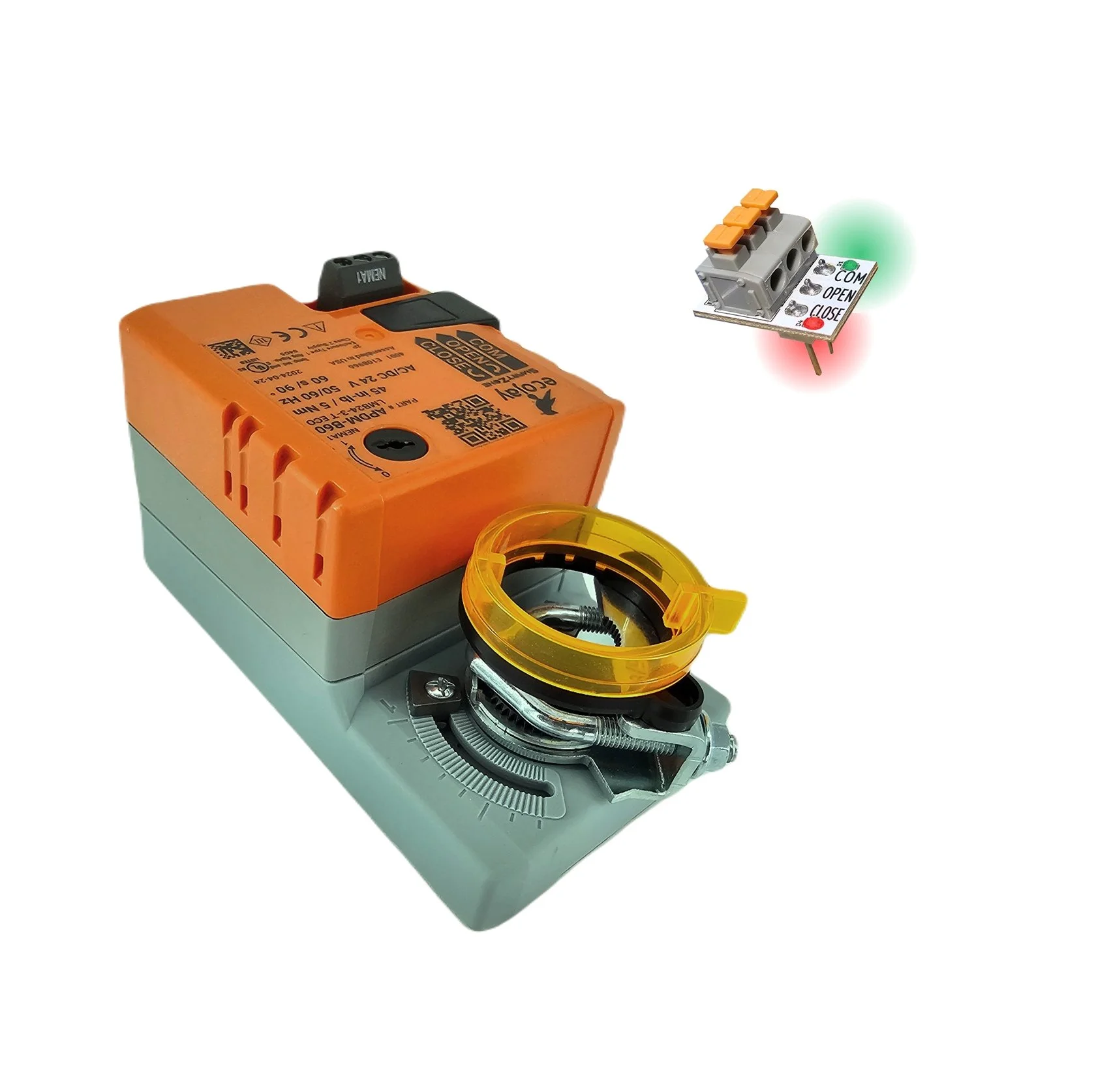
If your damper motors look like the one shown, wire to SmartZone as shown.

Another DuroZone model… on this model it is reported that some versions TERMINAL 4 (the blue wire shown) goes to CLOSE instead of OPEN.
If your motors looks different than this, see our other posts about damper wiring:
4-Terminal and 8-Terminal Damper Wiring
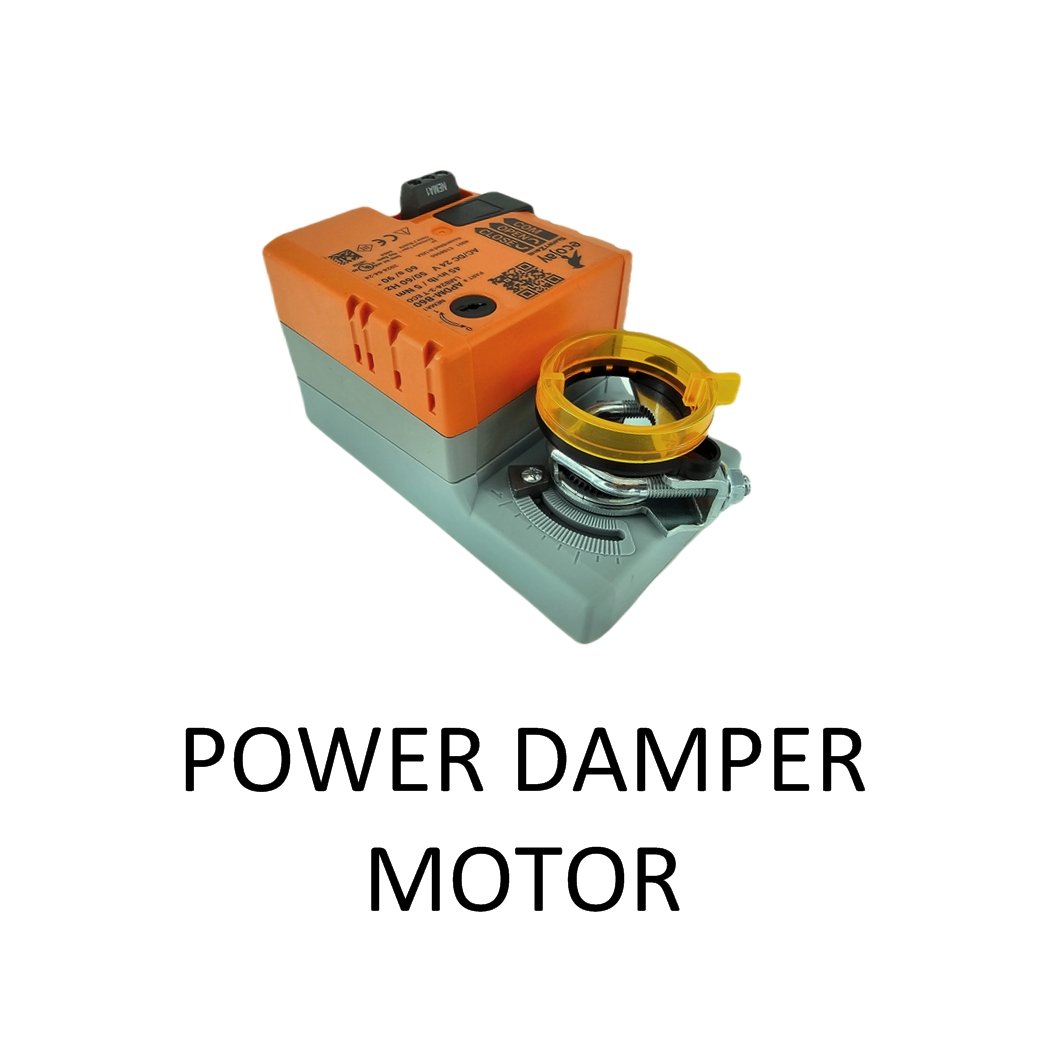
If the motors you have are not compatible with SmartZone, you still don't have to replace the whole damper. You can replace just the motor (actuator) on just about any standard residential damper with the SmartZone / Belimo motor.

Retro thermostat... 1982 Electronics Guide review of Magic-Stat
Other HVAC1 Comment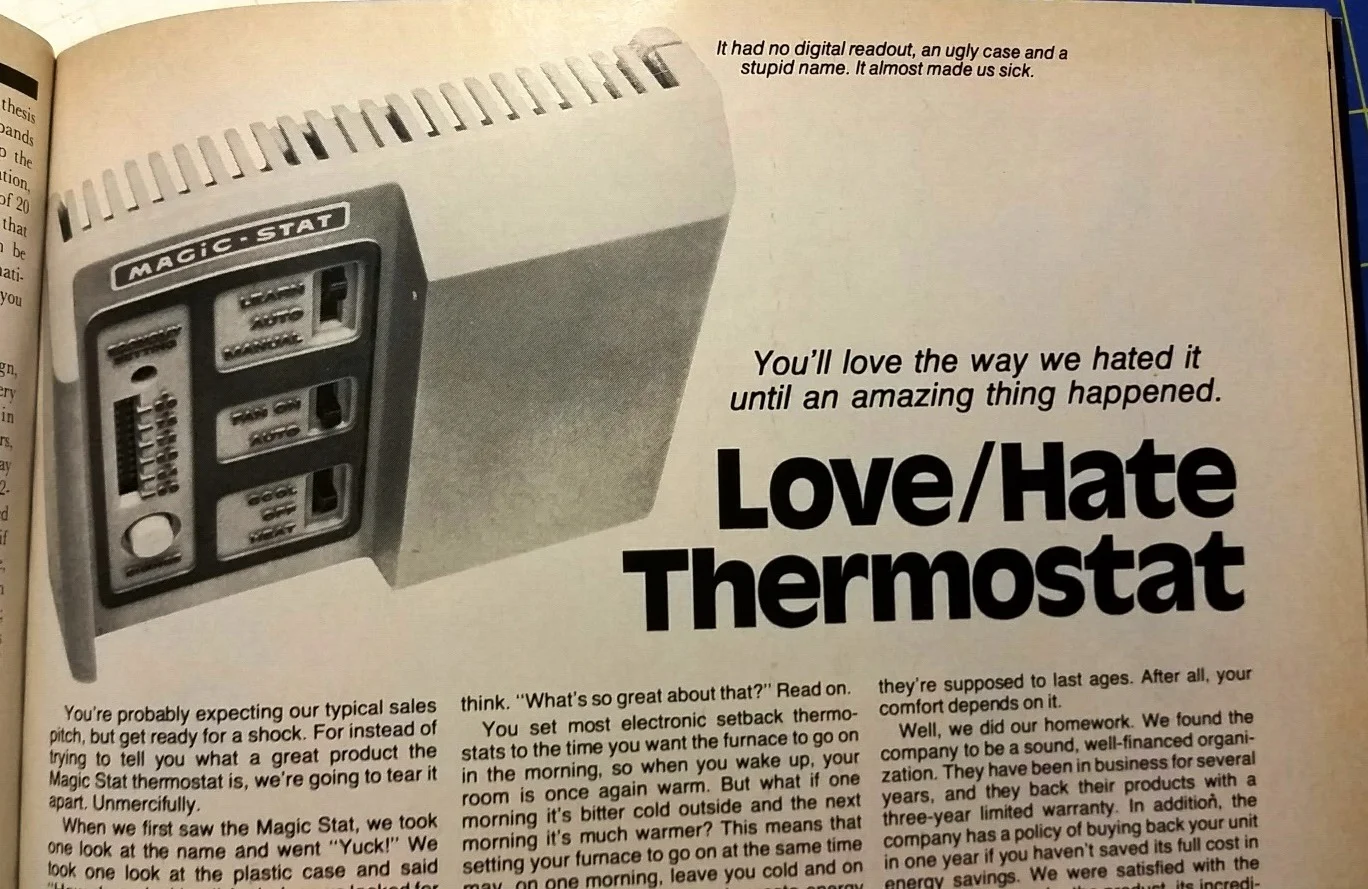
Published in Playboy's Electronic Entertainment guide in Fall 1982.
This is off of our normal subject but I came across this old magazine that includes other articles like "There's more to life than Pac-Man: How to beat Donkey Kong" and "What computers can do for you" which says that "VisiCalc is the most popular program of all time with 250,000 copies sold". And it included a scathing review of this Magic-Stat product. Sold for $79 mail order. At first glance, I thought it was just another ugly thermostats in a long history that still goes on today. Then i read the article which explains a "LEARN" mode that makes it easier to set much like the nest would do decades later. Also, it claims to have what is now reffered to as "adaptive recovery". This is where the thermostat starts the equipment before the set time so it can get the home to temperature at a specified time instead of just starting to get to temperature at the time of setpoint. I haven't done any fact-checking, but it says they are the first thermostat to do this... too bad it took 20 years for this to become a more standard feature.




Here are a few more pics I took of the magazine...i claim no rights or ownership of any of this material.
HVAC Zone Controls vs. Ductless Mini-Split Zoning
Zone Control InfoCommentSmartZone - The only zone control you'll need
Comment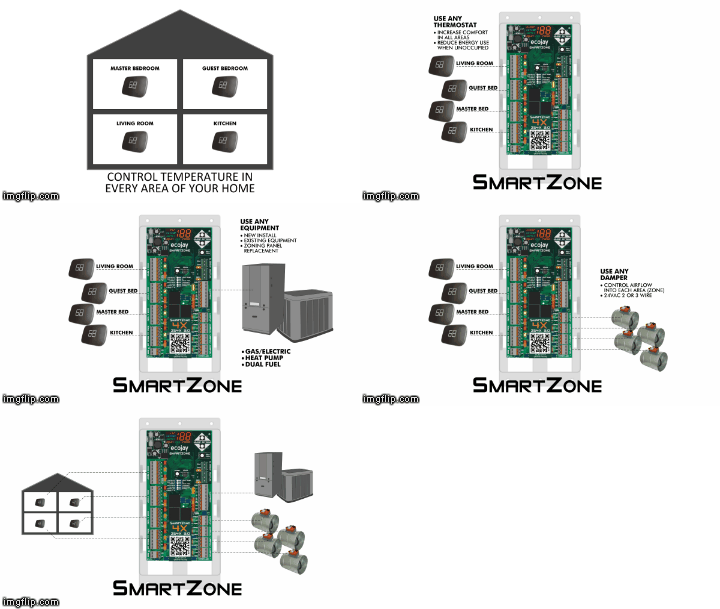
The only Zone Control you will need! Over ten years to perfect the latest version of SmartZone design. Attention to detail during engineering SmartZone make it the ultimate combination of simplicity, features & compatibility. Contractors install our board every day with confidence and you can too. Most contractors that use SmartZone one time, never want to use anything else again on HVAC zoning applications because it is so easy to install and use.
SmartZone-2L Display - Makes Zoning simpler than ever!
Comment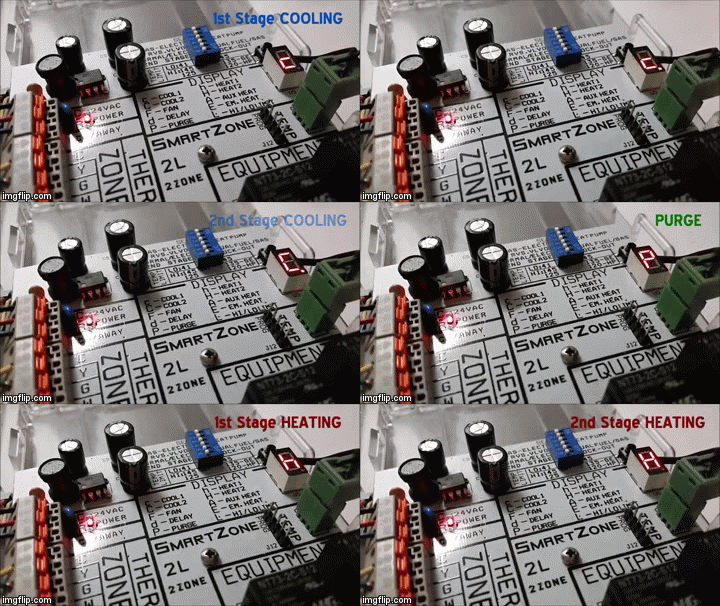
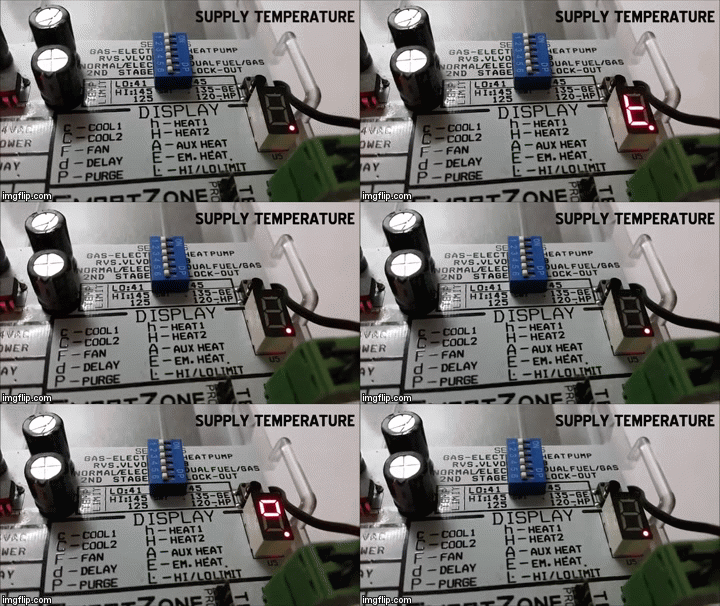
SmartZone 2L, sometimes we call it SmartZone-LITE, not because it has less capability but because it is so SIMPLE. It is the simplest even for a novice to understand. The display shows exactly what the zone control is doing (even the temperature)
Zoning System Troubleshooting
SupportCommentBecause a zone control system interacts with so many different parts (thermostats, transformers, heating/cooling equipment, dampers & temperature sensor), a zoning system can be daunting to troubleshoot when there is a problem. However, we have realized that there are really just a few common issues are the cause most all of the issues. With a combined 20+ years of zoning questions and technical support calls, we have tried here to boil down to the top 5 reason 99% of zoning systems have a problem. These do not include a potential problem with the configuration of the Zone Control itself. The troubleshooting of the zone control configuration is covered well in most Installation Guides.

1. Equipment
Refrigerant charge, fan speed, wiring, power, etc.
Always verify that the equipment is working properly first!
2. Thermostats
a. Incompatible with zone panel
b. Defective thermostat
c. Wiring defect
3. Zone Dampers
a. Actuator failure
b. Mechanical failure
c. DUCT Sizing (not enough or too much CFM)
d. Wiring defect
4. Bypass/Relief
a. Actuator failure
b. Sensor (Static Pressure sensor defect)
c. Mechanical failure
d. Setup (Modulating calibration or weight arm setting)
e. Orientation of installation (SPC or barometric bypass)
f. Improper sizing (not enough CFM capacity)
g. Wiring defect
5. Power
a. Transformer fuse
b. Wiring defect
c. Primary circuit problem (shared/capacity, breaker)
d. Improperly sized transformer (not enough VA)
For help troubleshooting your system contact the experts at zoningsupply.com directly via email or phone.
EASIEST TO TROUBLESHOOT ZONE CONTROL ON THE MARKET:

SmartZone-4X
$299.00
This product is out of stock but can be replaced with the newest version SmartZone-4X 3.0
HVAC Zoning Bypass Explanation Animation
Comment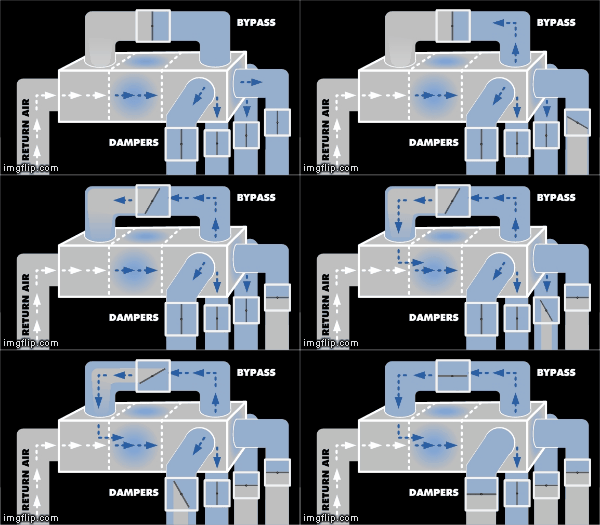
This simple animation shows as the dampers close to each zone, one at a time, the bypass should gradually open until... when only one zone is left open, the bypass is open all the way. Airflow can be seen going back through the system to relieve the pressure in the duct. The purpose of bypass (pressure relief) is to minimize air noise at the register (air vent in the home) and to prevent over pressuring the duct system which can have many negative implications including not enough airflow.
Featured
Replace Honeywell Zone Controls with SmartZone
SupportCommentGood video that shows the basic wiring steps for replacing a honeywell truezone with SmartZone. The video features the HZ322 but also applies to the HZ432, HZ311, & HZ221
SmartZone-4X
$299.00
This product is out of stock but can be replaced with the newest version SmartZone-4X 3.0
If you have any questions about replacing your zone control with SmartZone, contact us for expert zoning support!
Summer heat is on the way... get more comfort with SmartZone
ProductsCommentSmartZone can be used with any 24V Damper
SupportComment

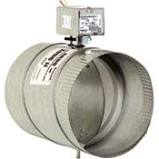

There are many different models of 24VAC dampers available on the market. Some have 2-wires, some have 3 wires, some have 5 wires and some even have 8 wire terminals. Nearly all of these can be used with the SmartZone products (2L, 2X & 4X). Both 2 and 3 wire dampers are straight-forward to wire and even shown in the installation guide that comes with SmartZone. However, some of the less common types of dampers (4, 5, 6 & 8 wire) require a little more understanding. How to wire some of them are shown below.
If you have any other type of damper, please contact us and we will help you.
Better dampers available from ZoningSupply:
PRO-Grade Power Zone Damper (Round)
from $69.99
4", 5", 6", 7", 8", 9", 10", 12", 14", 16", 18" Available
FEATURES:
Industry-leading quality & highest reliability, Belimo Motor, Full-seal gasket blade, Super-Heavy Duty, Ribs for easy flex duct attachment, One crimped end for easy solid duct attachment, 5 Year replacement warranty.
Now available with or without a motor (Select below)
NOTE: All dampers subject to a 10% restocking fee.
Replacing old 2-wire spring damper with a high quality ecojay damper
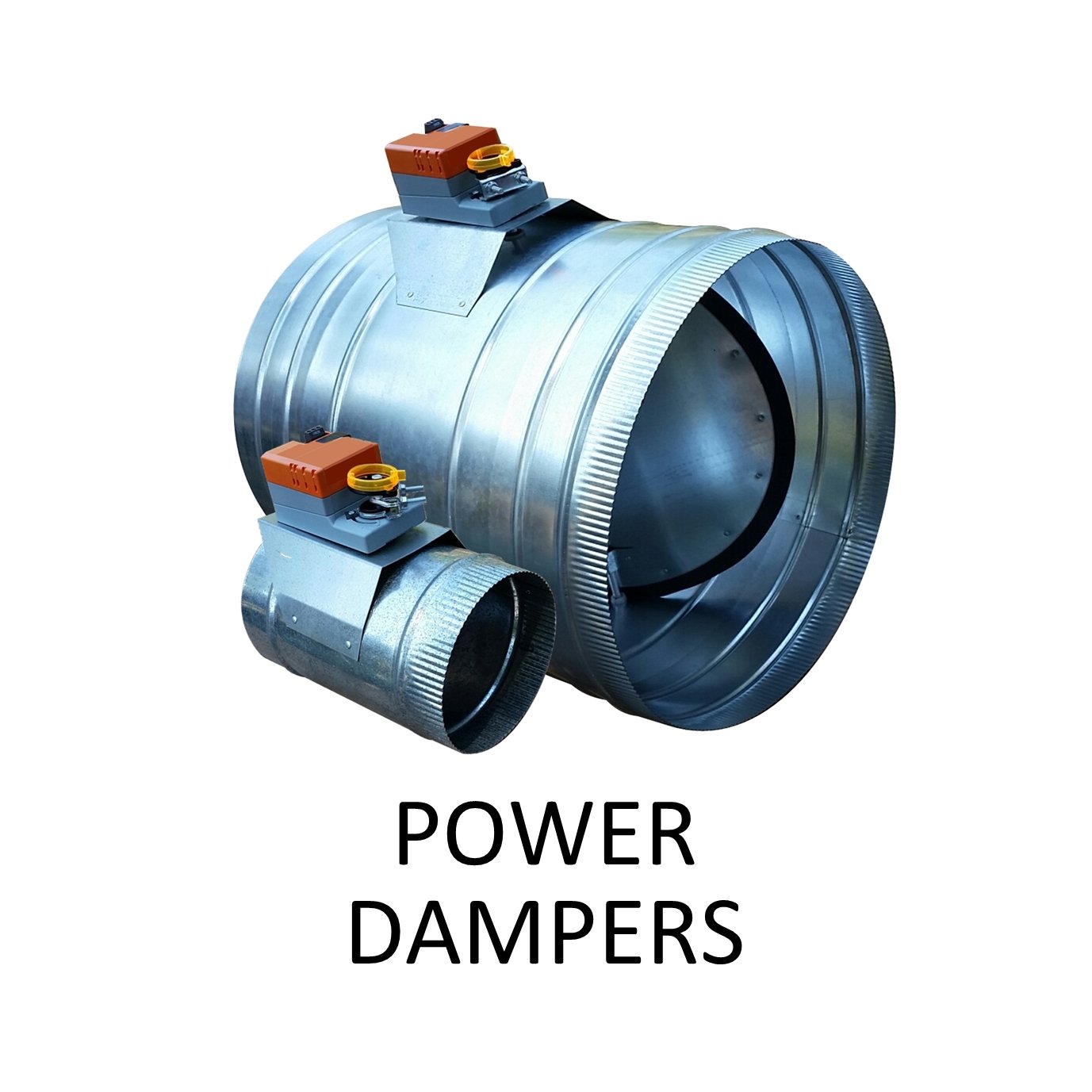
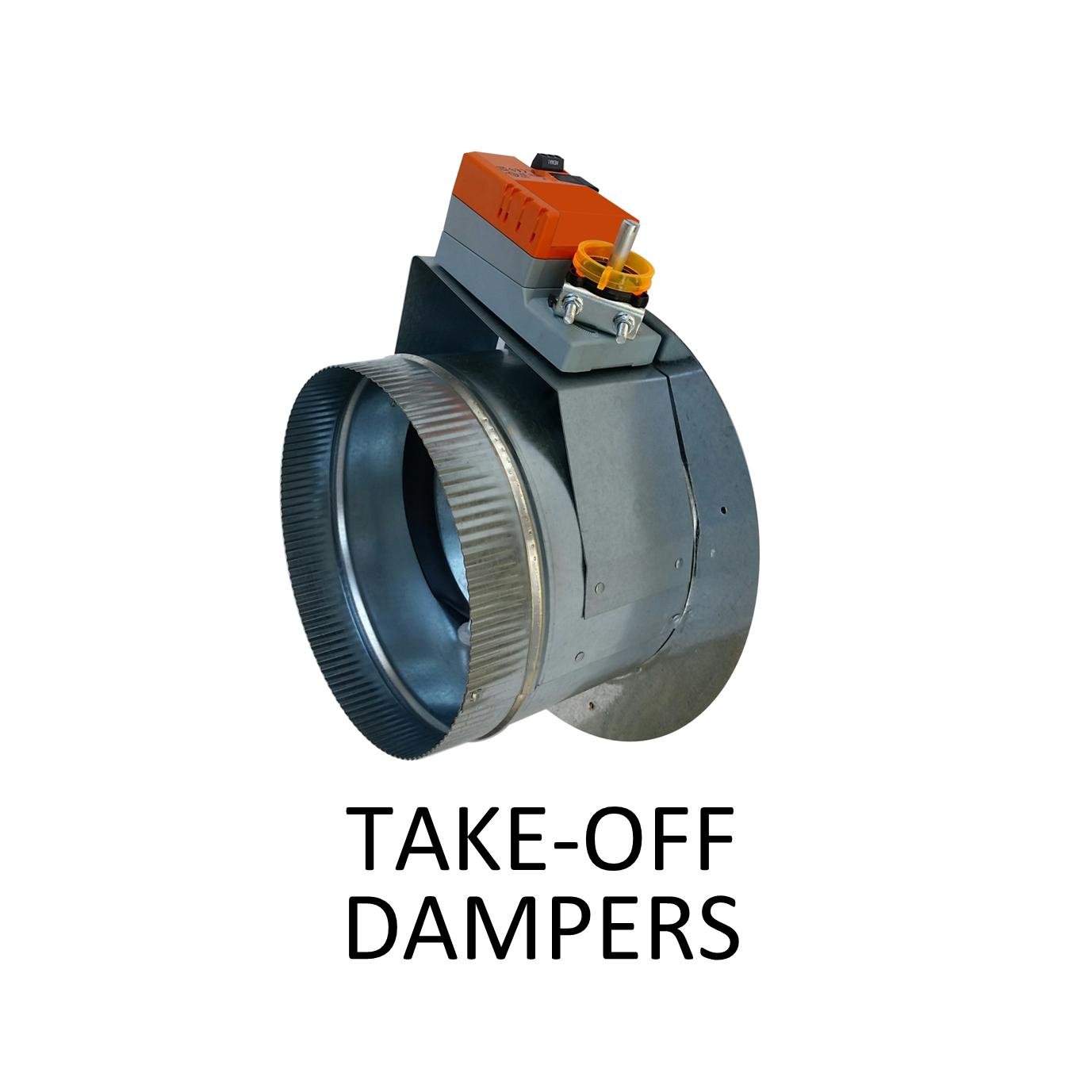
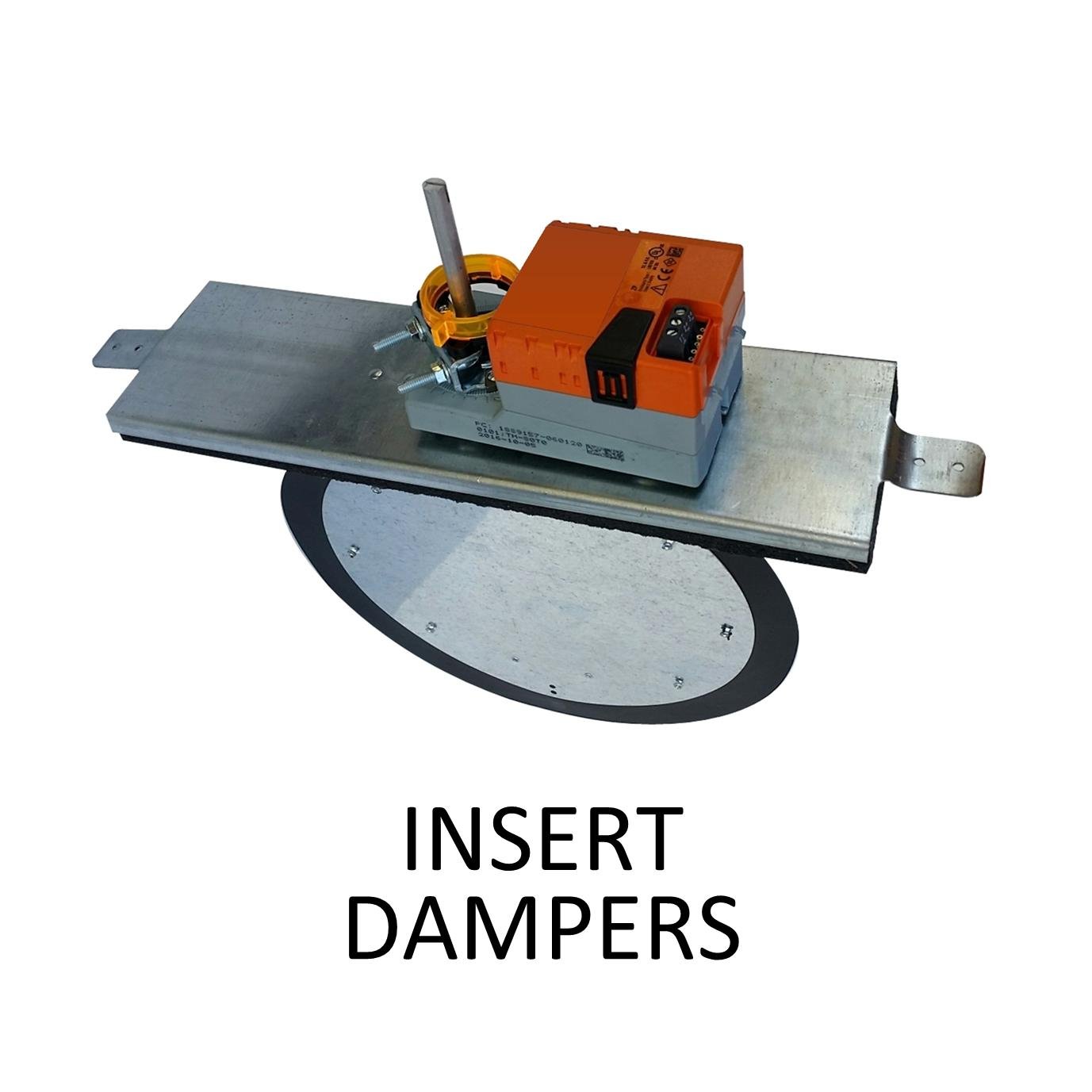
SupportCommentUPDATE: March 2017 - NEW Dampers available now. TAKE-OFF ROUND, INSERT ROUND & RECTANGLE Dampers all available now ... scroll down to see all damper models. OR click here.
Some older zone control panels have only two connectors for damper wiring (common & power-close). These were designed when predominately 2-wire (spring open) dampers were used for zoning. In recent years, 3-wire (power-open, power-close) dampers have become more common because of their low power consumption and higher reliability. You might think you have to upgrade your zoning panel to accommodate for these preferable 3-wire dampers... not with Ecojay dampers and belimo actuators. The wiring diagram below shows how to connect the Ecojay Power Damper to an older zone panel that is only designed to work with 2-wire dampers.
If you are planing to replace the zone controller with SmartZone, this diagram is NOT necessary.
If you have any questions, call or email us.
Featured

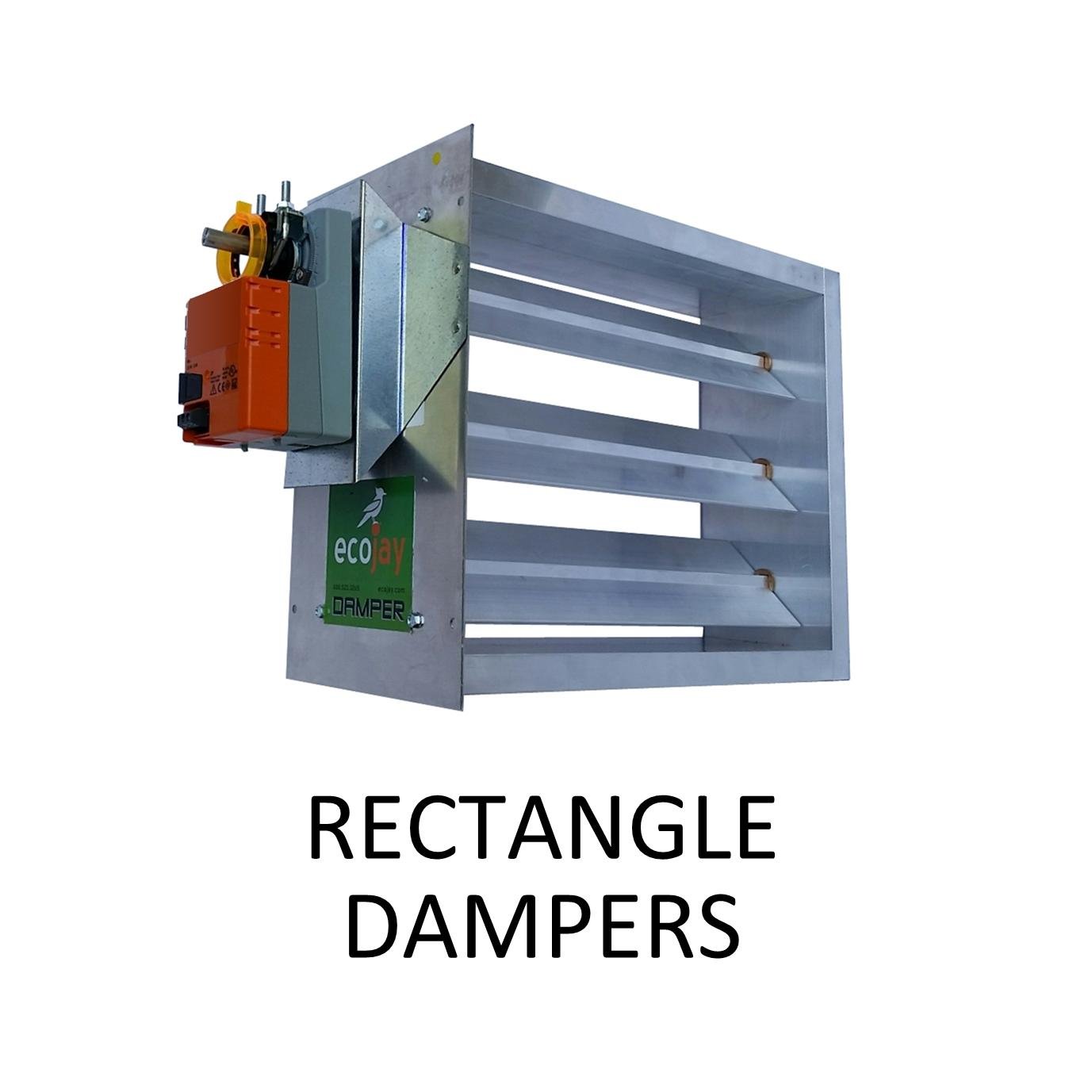
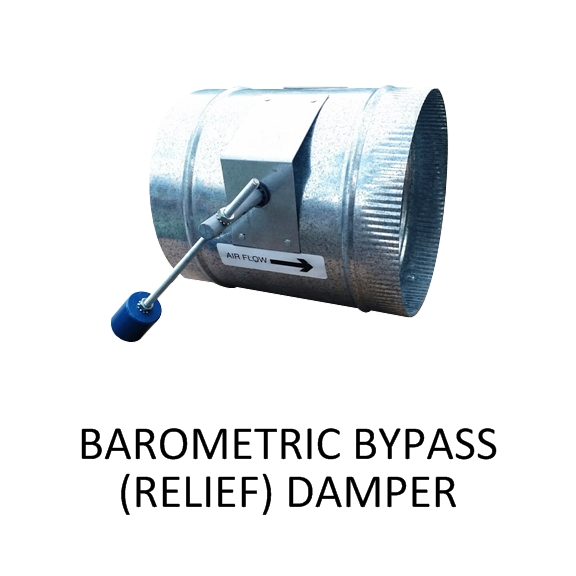
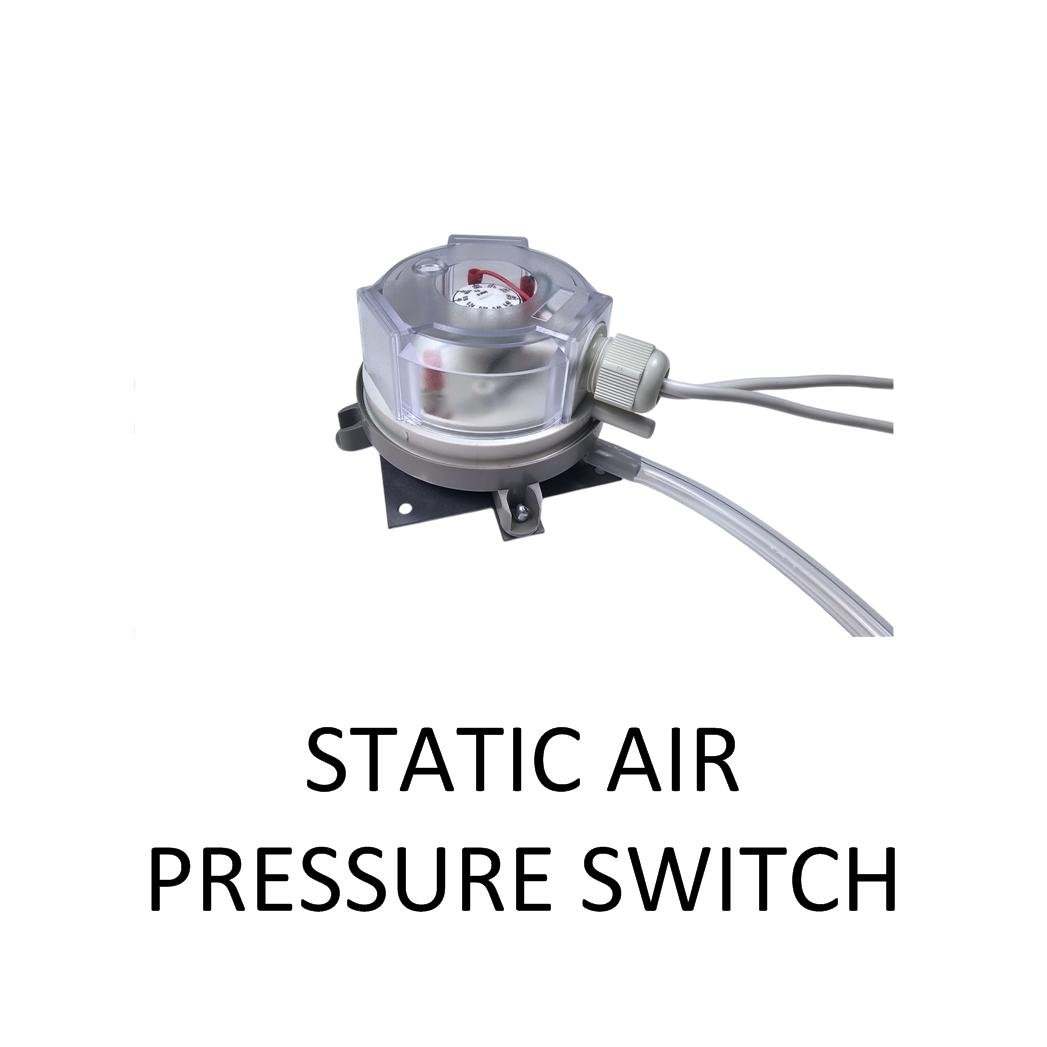
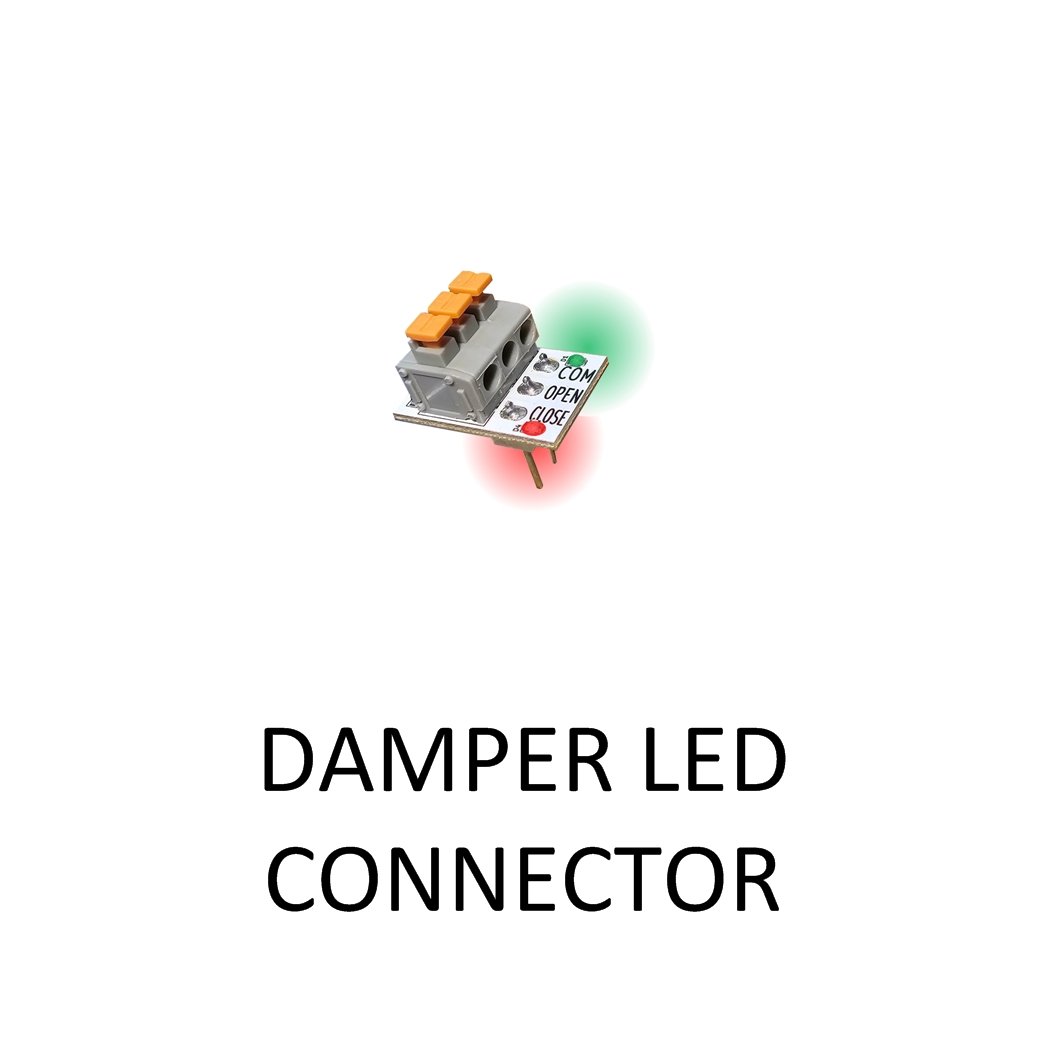

Zoned climate control in your car… why not your home?
Zone Control InfoComment
For many years, lots of car manufacturers have been putting separate passenger/driver/rear climate controls in cars. In such a small space, this could be seen a “silly” feature because the passenger & driver are in very close quarters. In most homes, however, heating and air conditioning systems still tend to have only ONE climate zone (one thermostat). Dual or multiple climate zones for a home makes much more since than in a car but is not nearly as often implemented. With SmartZone most existing heating & air conditioning equipment can be upgraded to have multiple climate controls (thermostats) in different areas. You could have a thermostat in the kitchen, bedroom and living room… comfort everywhere. Additionally, with SmartZone, areas that are not being used can be turned OFF to save energy. All the parts you need shipped for free from ZoningSupply.com Zoning experts standing by to answer any questions you have or help with system design.
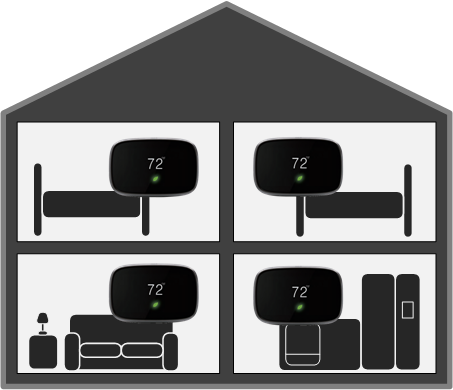
Top 6 reasons to buy your next zoning system at ZoningSupply.com
ZoningSupplyCommentWhy a temperature sensor is so important with Zoning
SupportCommentEquipment Protection
Protecting the equipment from running too hot or too cold is very important consideration when selecting zoning panel. By the nature of zoning, airflows in the duct work are being adjusted as zones open and close. Even in Pressure Relief is adequately designed using a bypass or other method, temperatures across the coil and the furnace can fluctuate. An example is on a mild 60 degree day, a single small zone calls for heat. In this case, a large percentage of already “heated” air is being re-circulated or forced back through the furnace to be “re-heated.” This condition can cause temperatures that will cause the fail-safe temperature sensor to trip on the equipment. The same thing can happen in the cooling mode with consequences that look like frozen coils and potentially damaged compressors.
The need for protection has OFTEN been overlooked with zoning and has caused many failures that have been generically blamed on “zoning.” Much of the negative feelings about zoning has been caused by this problem. The solution is available on most modern panels: A supply air temperature sensor (discharge air) that allows the zoning panel to cut off the equipment when the temperature is too high or too low.
Staging
The zoning panel used here is determined by the equipment being used on the application. If the equipment is single stage, any zoning panel available should work that meets the other guidelines described here. When multiple stages are being used, there are many less options. First of all, many inexpensive zoning panels do not control more than one stage (although most of these don’t meet other criteria described in this book either). Secondly, and often overlooked is the staging control method. Many available boards simply control second or third stage based on time alone. In other words… if stage one is on for 8 minutes, turn on stage two. More accurately, some panels include a 2nd stage lockout if only one zone is calling. Best of all, some panels available use a supply temperature sensor to stage based on both time and temperature. With a temp sensor controlling stating the most efficient use of equipment can be made, not to mention the protection from freeze or overheating it provides.

Replacement: Supply Air Temp Sensor
$20.00
10K Type III Thermistor with stainless steel probe, wire lead & quick connector for use with ALL SmartZone products from 2004 thru present.
Included with SmartZone-2X, SmartZone-2L, SmartZone-3X & SmartZone-4X & Fresh Air Thermostat.
SmartZone Static Pressure Control for Modulating Bypass
SupportCommentWhy SmartZone Static Pressure Control so much better? It's pre-wired, saving lots of time and hassle.
Much better than the competition... more accurate and the easiest by far to install. The video below shows that a typical static pressure control takes more than 4X as long to install when compared to the same ECOJAY SmartZone Static Pressure Control (ASPC)
Air Pressure Switch (Bypass Control)
$74.99
Static Pressure Controlled Bypass Switch
Use with ANY 3-wire (Power Open/Close) Damper - Sold Separately:
Click here for 3-wire Power Damper
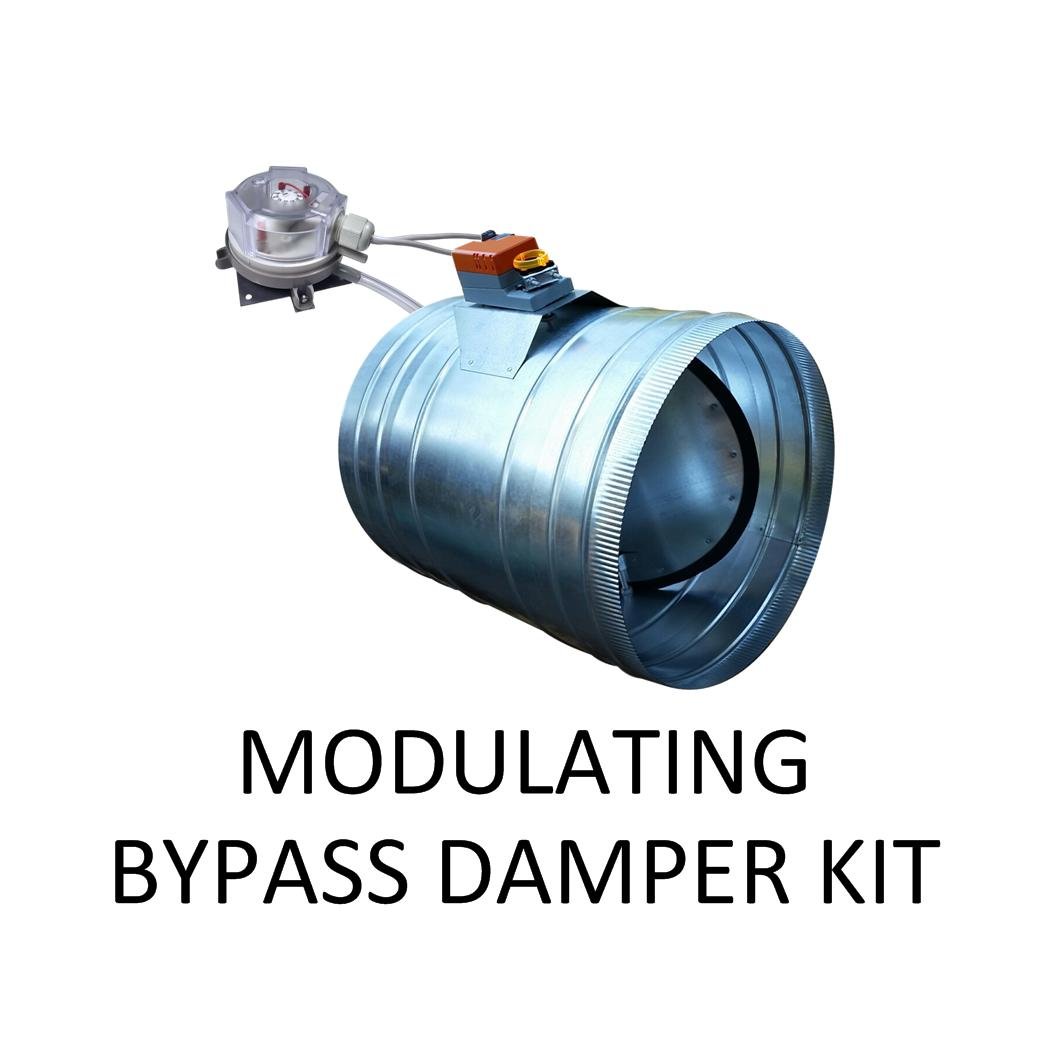
Automatically controls damper for accurate and quiet pressure relief necessary in most zone control applications.
Zoning Transformer Size & Fuse Protection
Comment
Transformer Sizing

Sizing the transformer for a zoning system is often overlooked because of the trivial nature of the role it plays in the zoning application. It is, however, critical to provide a properly sized transformer on any Zoning system. Zoning panels can misbehave and even cause the equipment to do some erratic things if the transformer has been undersized. Over sizing is not typically an issue, so this should be re-named MINIMUM Transformer Sizing.
NOTE: Included Transformer - Don’t be deceived by a zoning system that has an included transformer, this doesn’t mean you do not have to calculate the necessary transformer size. The included transformer may not be enough to handle all of the dampers or the type of thermostats that the specific application demands.
Calculation
[Zoning Panel VA]+[All Thermostats VA]+ [All Dampers VA]=Total VA<Transformer Size
The Transformer Size must be GREATER than the Total VA. Simple, right? Yes, it is simple, but crucial to calculate accurately. So, take into consideration ALL of the pieces being attached to the zoning panel. Refer to the manufacturer for exact VA ratings on each of the pieces.
- Dampers - 2 to 12 VA (each Damper)
- Thermostats - 1 to 3 VA (each Thermostat)
- Zone Panel - 10 to 20 VA
See SmartZone Guide for VA ratings
Fuse Size

In all zoning applications the transformer secondary (24VAC) side should be fused with a standard in-line fuse. This is very important with zoning because the zoning panels can be sophisticated electronics that need protection from the vulnerabilities in the field.
Some transformers have breakers on board but it is still recommended to provide a field installed in-line fuse to protect the zone panel. The resettable breaker built on some transformers is sized to only trip if the voltage exceeds the maximum of the transformer. The inline fuse, on the other hand, can be sized according to the specific installation.
The inline fuse size is calculated by using the TOTAL VA requirement for the system (in the transformer sizing calculation section). This number is divided by 20 to get the FUSE SIZE in amps. The 20 comes from 24VAC X power factor (assuming a power factor of 0.83).
FUSE SIZE (AMPS) = (Total VA)/(24V*0.8333) = (Total VA)/20
This means a 40 VA transformer should never have more than a 2 AMP fuse on the secondary side.
NOTE: Wall plug transfomers typically have a built in fuse that is sufficient but it wouldn't hurt to put an inline fuse even with this style of transformer.
Light switches don’t save energy… turning the light switch OFF saves energy
Zone Control InfoCommentZoning Return on Investment – Payback?
There is no short answer to this question with Zone Control. Energy CAN be saved with zoning but it is also capable of increasing the comfort of a home. Because of this, a zoning system can both save and cost energy depending on how the homeowner uses it. User habits of operating the system primarily determine how much energy will be used or saved.
What type of damper is best Spring or Power?
SupportComment

Damper Type Selection
There are two basic types of dampers available in mass today. Although, there are other damper types such a “balloon” type and pneumatic controlled dampers (used more commonly on DDC systems not included), for this context we will discuss these two main types of dampers:
- Spring Open or Close (Spring Damper)
Power Open & Power Close (Power Damper)
Power Dampers
Power Open /Power Close dampers use three wires to either power open or power close. They zone panel is responsible for supplying a 24VAC signal to either the PO (Power Open) or PC (Power Closed) terminal of these dampers. This type of damper was traditionally reserved for “higher-end” or commercial applications because of the cost. In recent years, however, motor prices have decreased and power dampers have become much more affordable (often no more expensive than the spring equivalent especially when labor and reliability are factored in.) Primary advantages of Power Dampers include lower power consumption, quiet operation and more reliable parts. Given the choice, Power Dampers, are almost always preferable. The only exception to this is when code requires Spring Dampers.
PRO-Grade Power Zone Damper (Round)
from $69.99
4", 5", 6", 7", 8", 9", 10", 12", 14", 16", 18" Available
FEATURES:
Industry-leading quality & highest reliability, Belimo Motor, Full-seal gasket blade, Super-Heavy Duty, Ribs for easy flex duct attachment, One crimped end for easy solid duct attachment, 5 Year replacement warranty.
Now available with or without a motor (Select below)
NOTE: All dampers subject to a 10% restocking fee.
Spring Dampers
The way Spring Dampers work is they have a motor that, when energized by the zoning panel, it closes the damper. When the damper is ready to open, the motor stops powering the damper closed and a spring opens the damper blade back up. Spring Dampers have been used in an “economy” application for many years. The two primary advantages of a Spring Damper are: 1. If the system loses power they “fail” open… but if the system loses power, the equipment isn’t going to be running either and therefore will not matter in MOST cases. 2. They only require two wires for operation. One of the negative arguments against Spring Dampers has historically been reliability. This mostly a result of one of its benefits… the cost. The inherent lifecycle of any spring actuated mechanism (even if it is in the millions) is less reliable than a system that doesn’t include this potential failure point. In addition to this, the motor that is used has to be a very specific model that allows for running backwards without damage yet still has to be powerful enough to overcome the spring trying to pull the blade in the opposite direction. This leads to probably the BIGGEST downfall of using a Spring Damper - the power consumption. Most Spring Dampers on the market use 3 to 4 times the power of the equivalent Power Damper (10-12 VA vs. 2-3VA). This could be the difference in using a standard sized transformer and having to go to a very large (and expensive) over-sized transformer. In summary: spring dampers are NOT recommended unless absolutely necessary for some reason.
Spring Zone Damper
from $109.99
PRO- GRADE SPRING OPEN or CLOSE DAMPER
SELECT Spring DIRECTION:
- SPRING OPEN, POWER Close Motor or
- SPRING CLOSE, Power Open Motor.
Full-seal gasket blade, BEST spring damper available. Replace Honeywell ARD & any other 24V spring dampers.
NOTE: All dampers subject to a 10% restocking fee
The parts that make an HVAC Zoning System
SupportCommentElements of Zoning
A Zoning System consists of 4 primary pieces:
Thermostats
Zoning Control Panel
Dampers
Equipment

1. Thermostats

Thermostats are used in just the same way that a typical thermostat is used except with a zoning system there is ONE thermostat located in each area or “zone.” Instead of connecting these thermostats to the equipment like a typical application, with zoning all the thermostats are connected to the Zoning Panel. Suggest purchasing on Amazon.com or from wherever 24VAC thermostats are sold.
2. Zoning Control Panel
SmartZone-4X
$299.00
This product is out of stock but can be replaced with the newest version SmartZone-4X 3.0
The Zoning Panel is the “brains” of the operation. This computer-like electronic board, reads the calls from all the thermostats and makes decisions about what to energize on the equipment (heat, cool or fan) AND which dampers to open or close. Zoning Control Panels come in MANY shapes, sizes, and colors but with SmartZone you are just selecting the number of zones)
3. Dampers
PRO-Grade Power Zone Damper (Round)
from $69.99
4", 5", 6", 7", 8", 9", 10", 12", 14", 16", 18" Available
FEATURES:
Industry-leading quality & highest reliability, Belimo Motor, Full-seal gasket blade, Super-Heavy Duty, Ribs for easy flex duct attachment, One crimped end for easy solid duct attachment, 5 Year replacement warranty.
Now available with or without a motor (Select below)
NOTE: All dampers subject to a 10% restocking fee.
Not only are the thermostats connected to the Zoning Panel but so are the dampers. A damper is to airflow in the duct like a faucet is to water in a pipe. In other words, the damper acts like a valve in the duct system to divert air to the zones where it is needed.
4. Equipment
Finally, the Equipment is also connected to the Zoning Panel. The equipment refers to the heating and cooling (HVAC) unit. This can come in many shapes, sizes, and configurations. In order to apply zoning to any equipment, the correct zoning Panel mush be chosen. Some Zone Panels are very specific and can only be used with certain types of equipment while some are much more versatile and can be used on almost ANY type of equipment used.
The above four parts make up the pieces of a Zoning System, but since in a standard system you already have two of these parts (THERMOSTAT and EQUIPMENT). The addition of a zoning system really consists of adding only two different parts, a ZONING PANEL and DAMPERS. This makes zoning one of the easiest and affordable ways to gain the much desired improvement of comfort and efficiency. With these parts installed properly a user can enjoy the ability for both added comfort and increased energy savings.
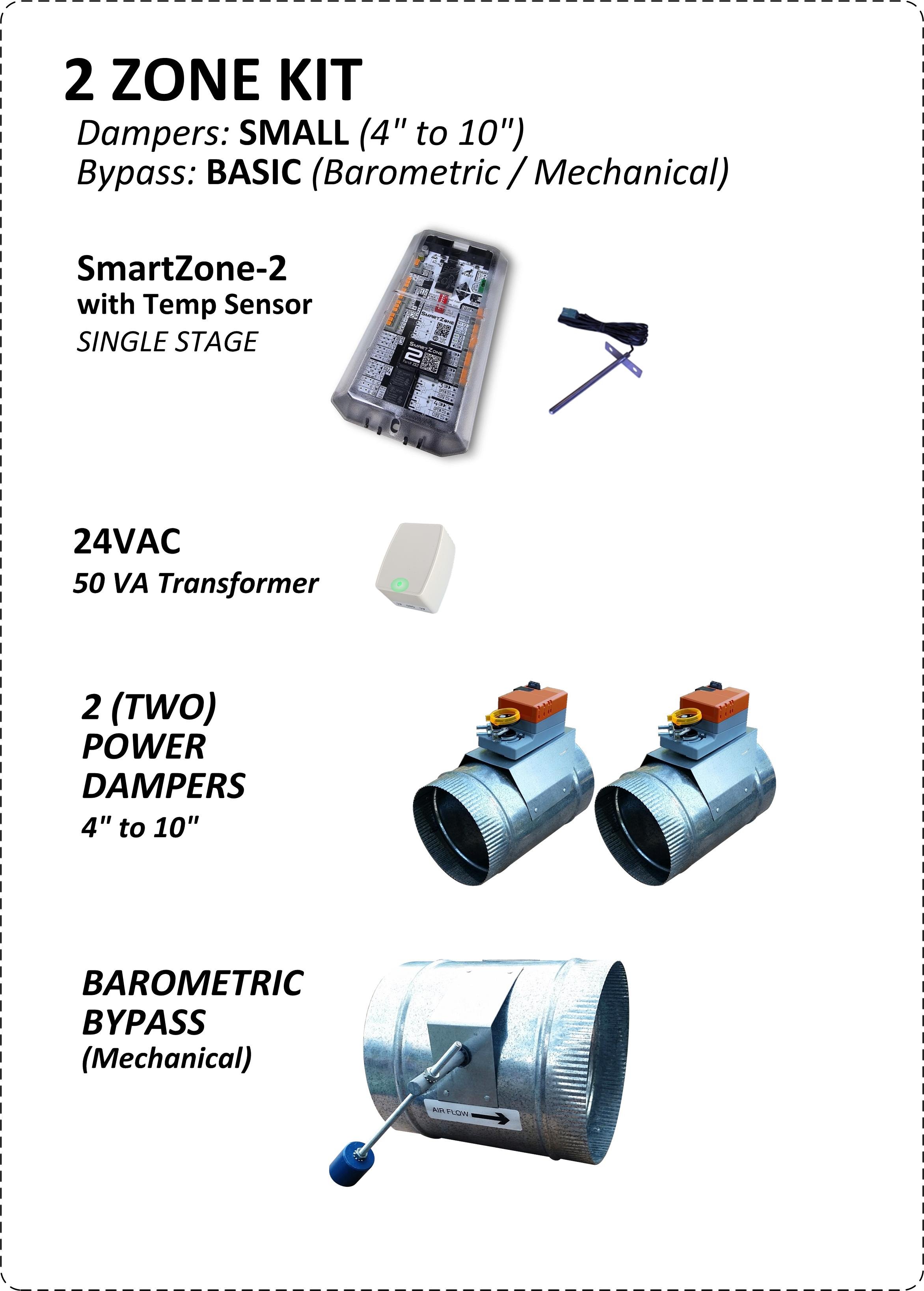
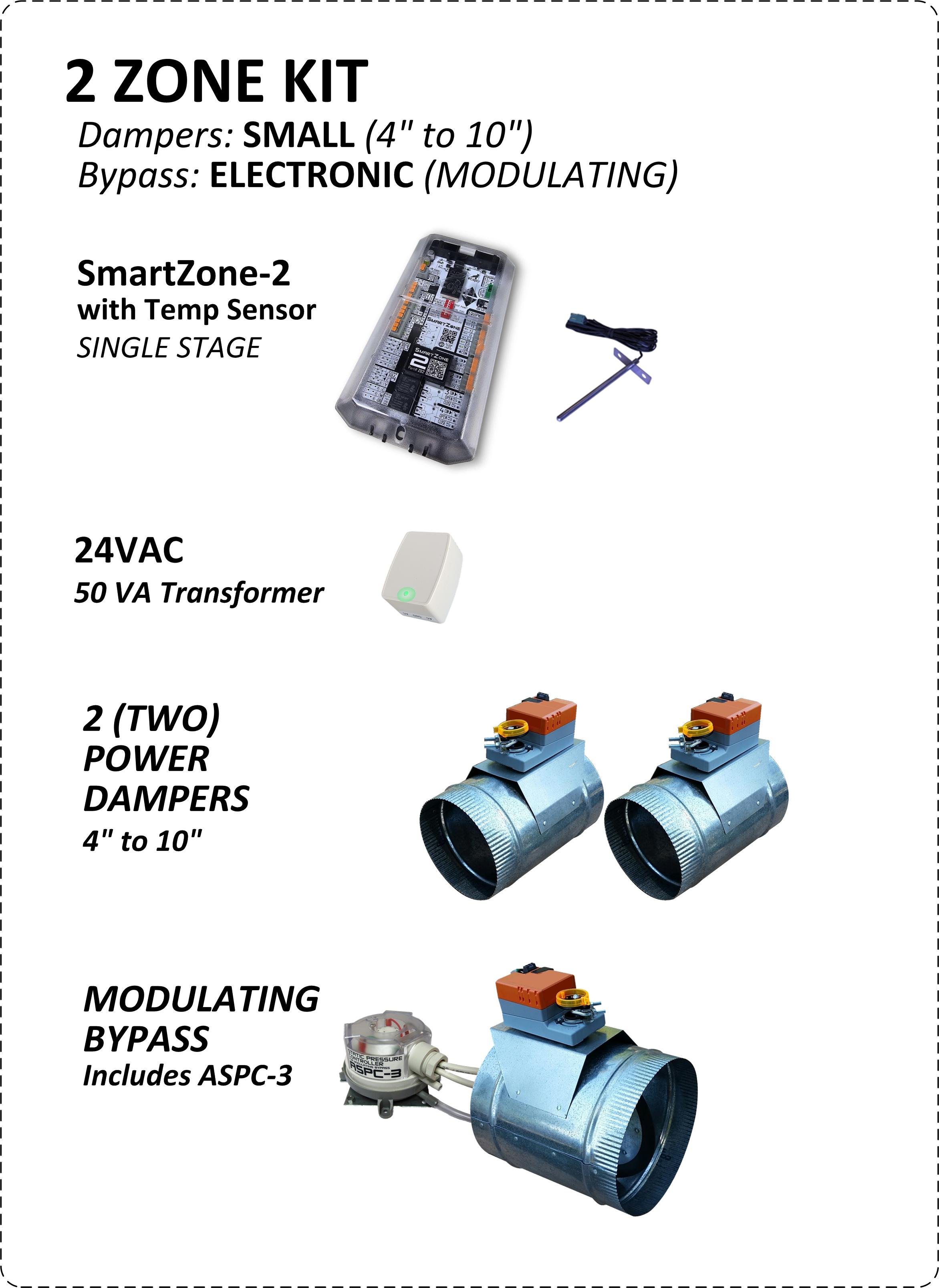
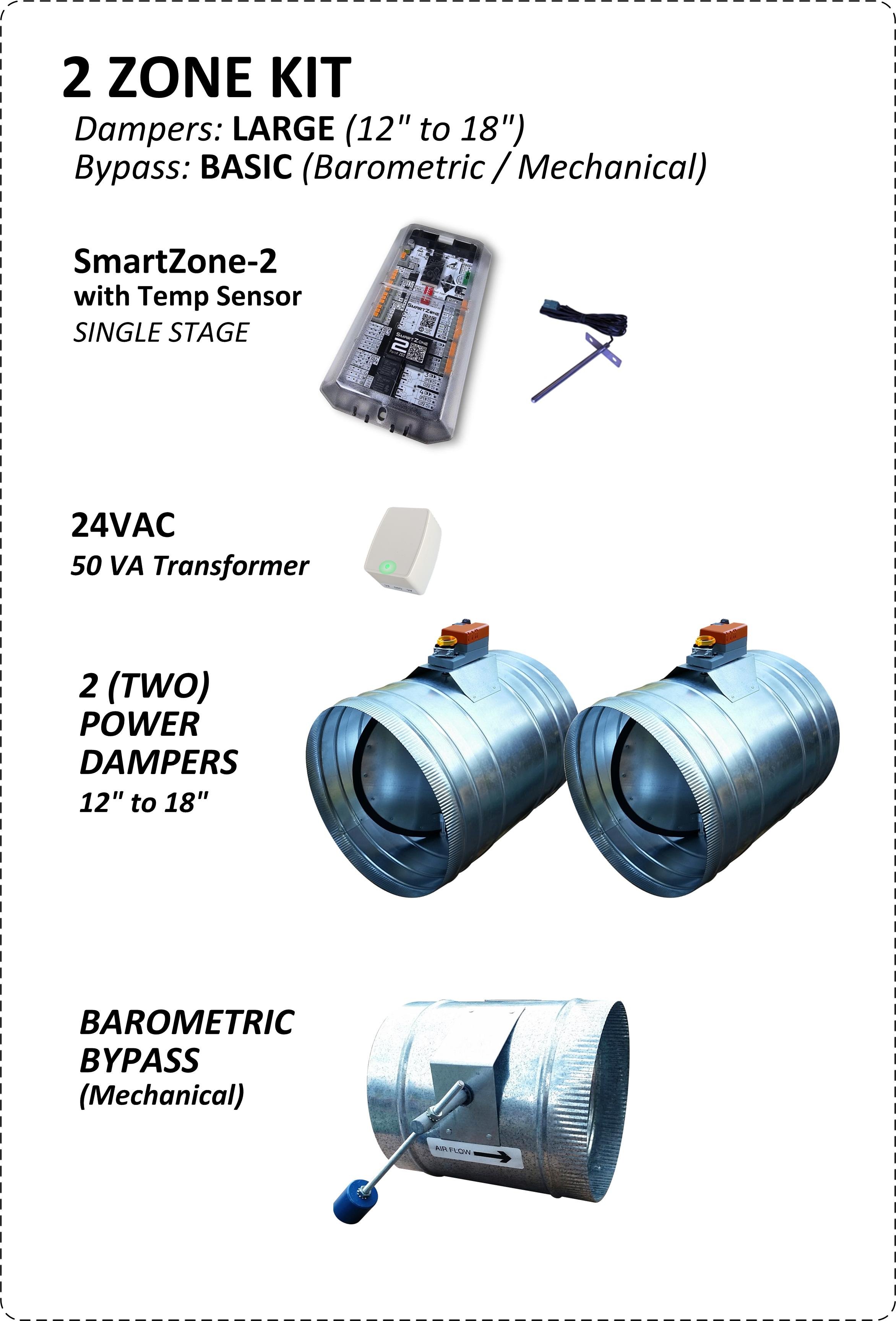
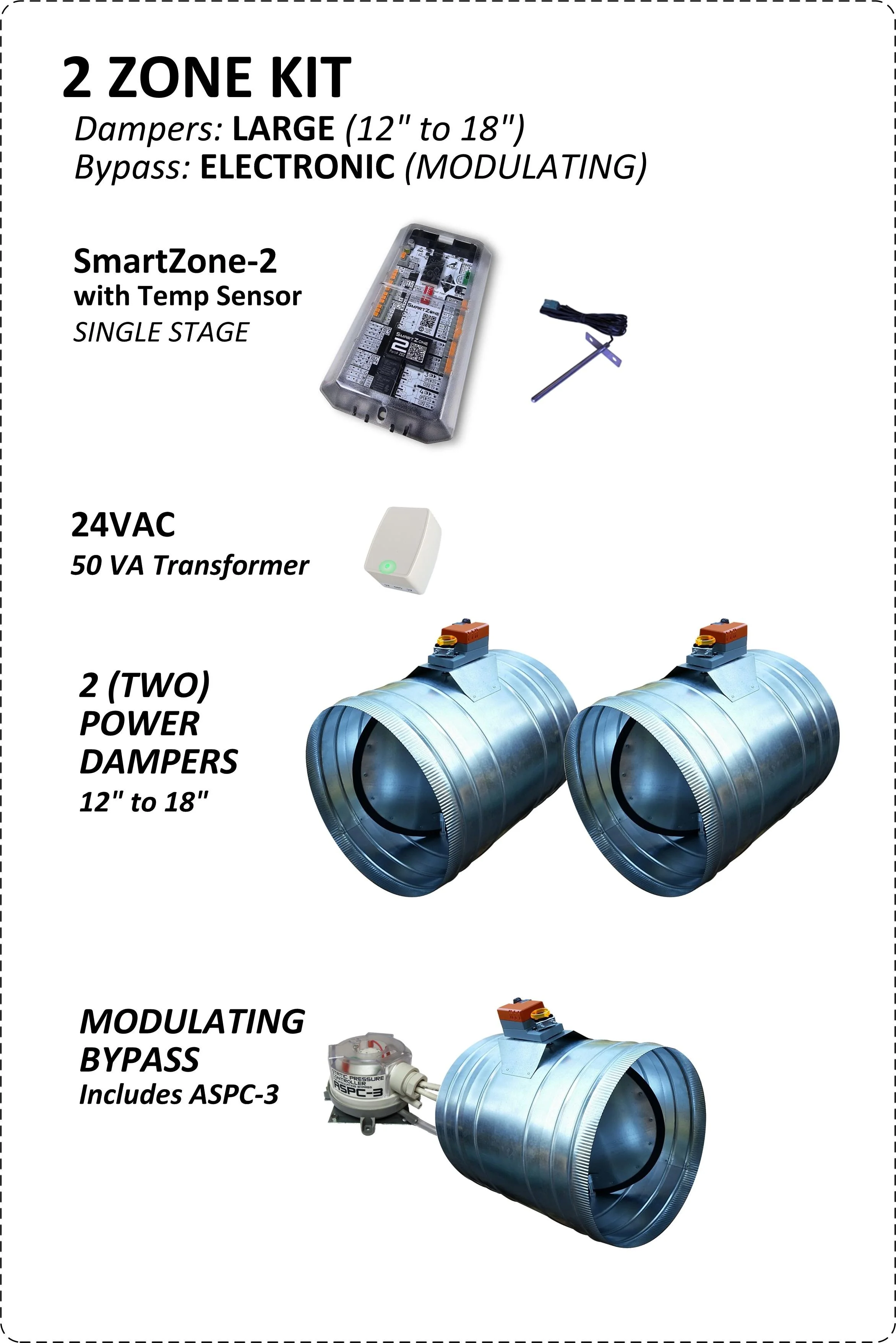
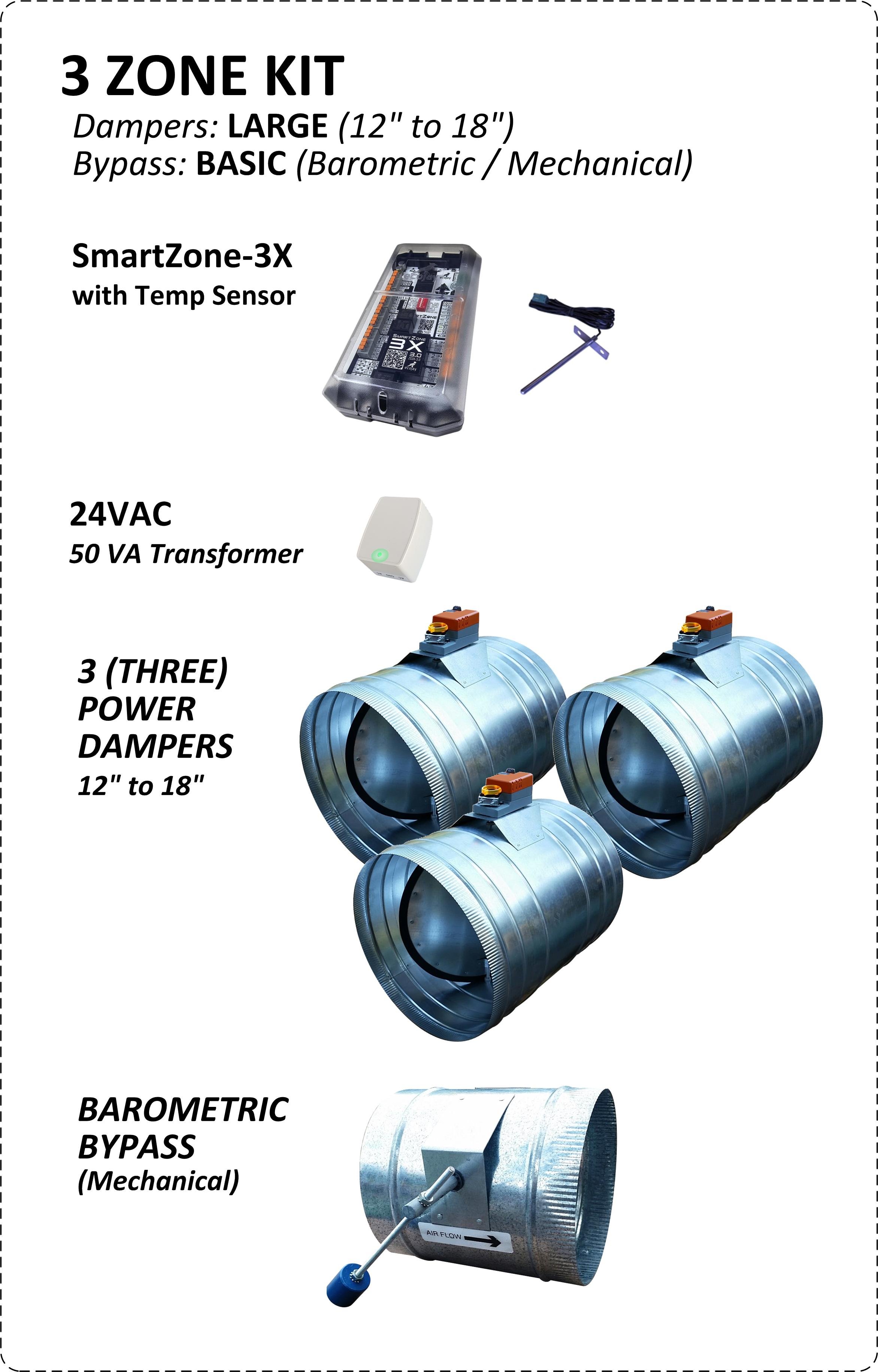
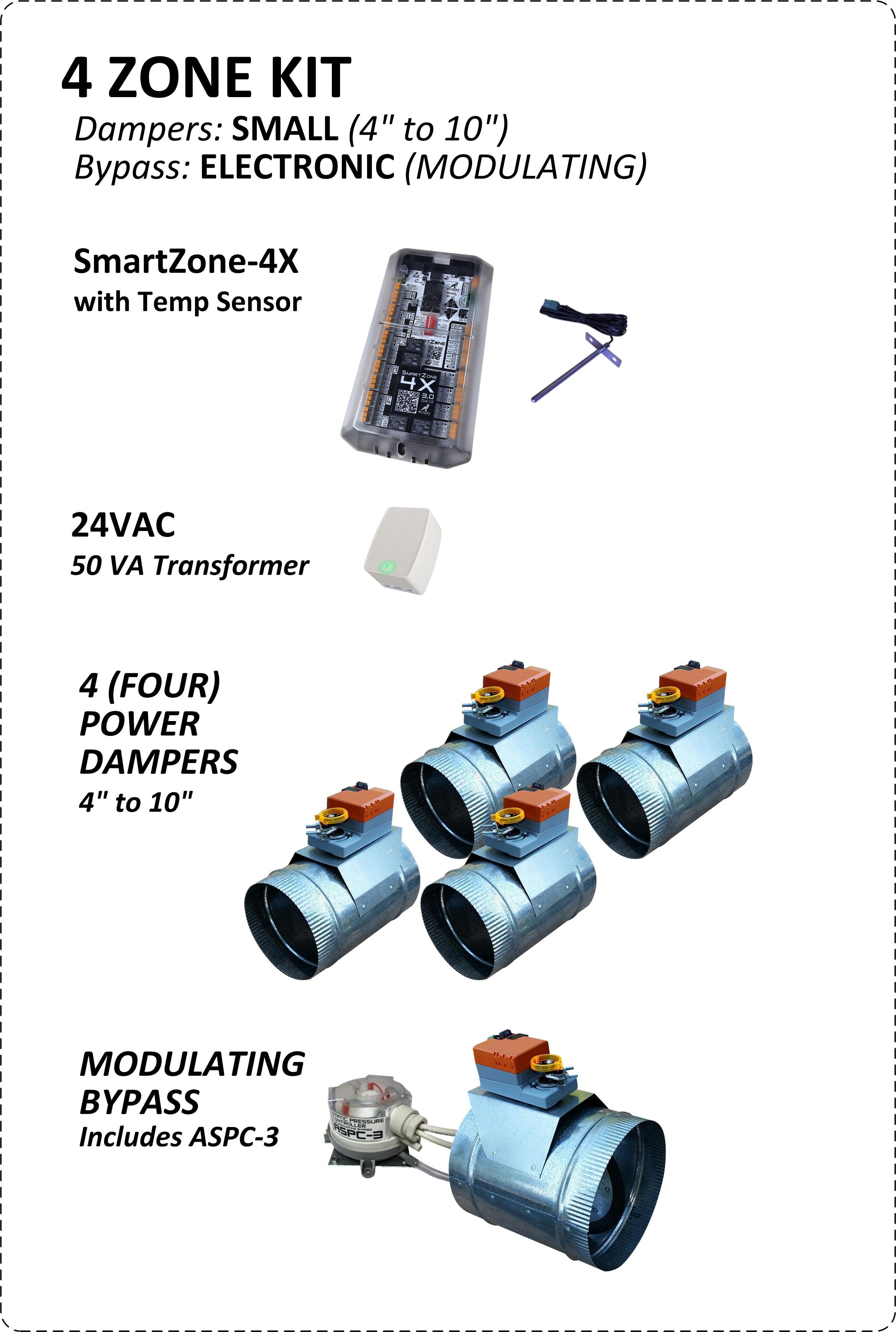
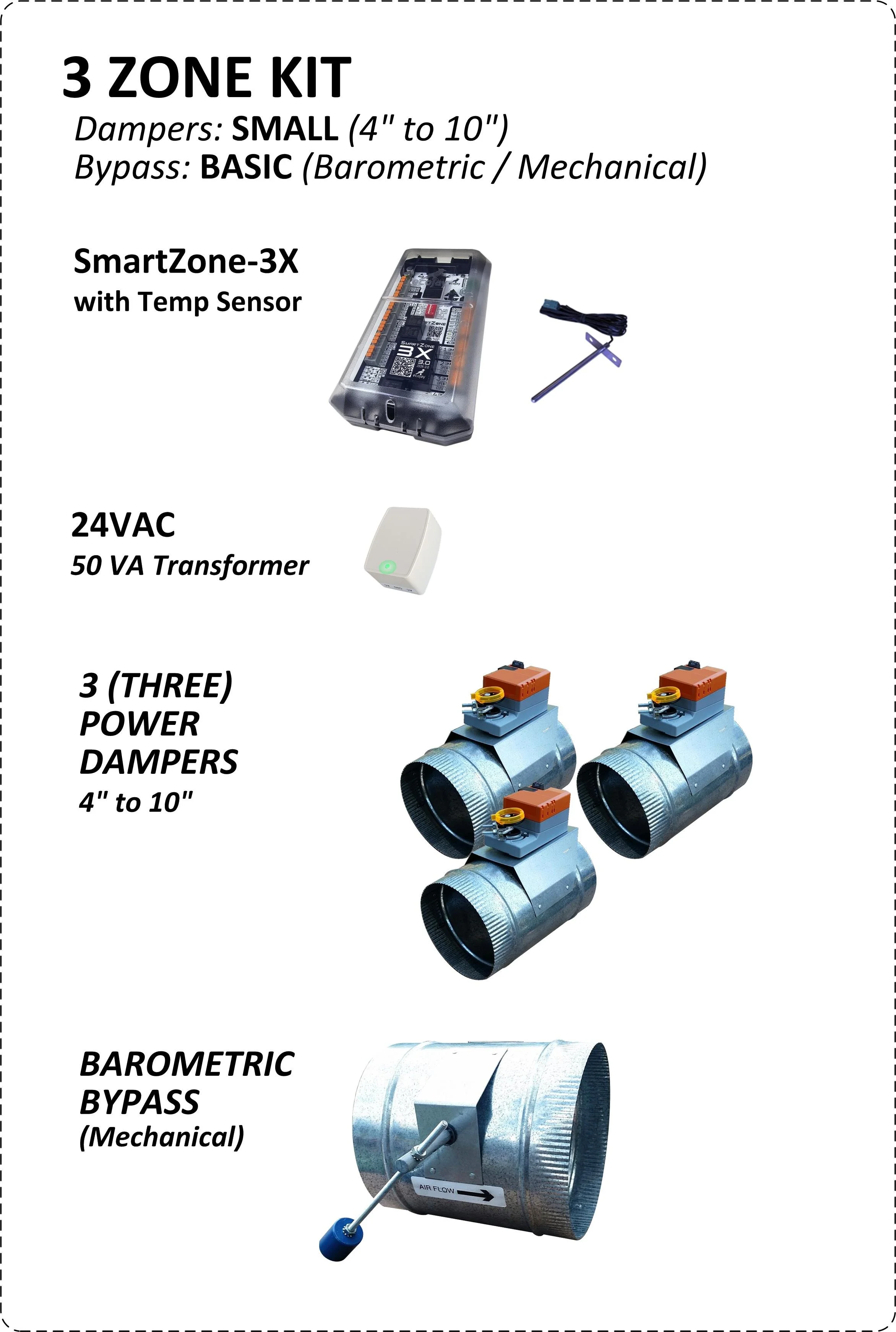
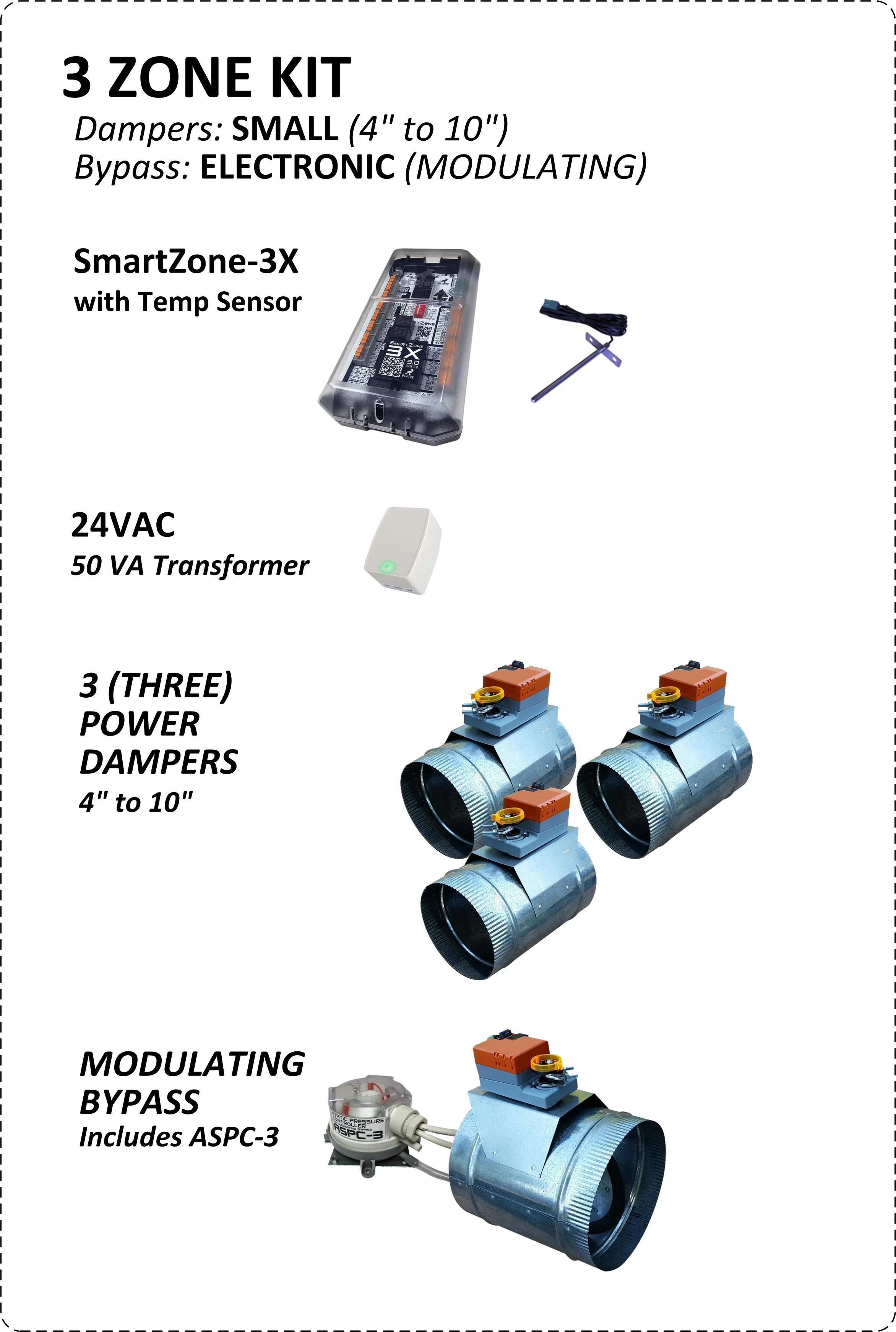
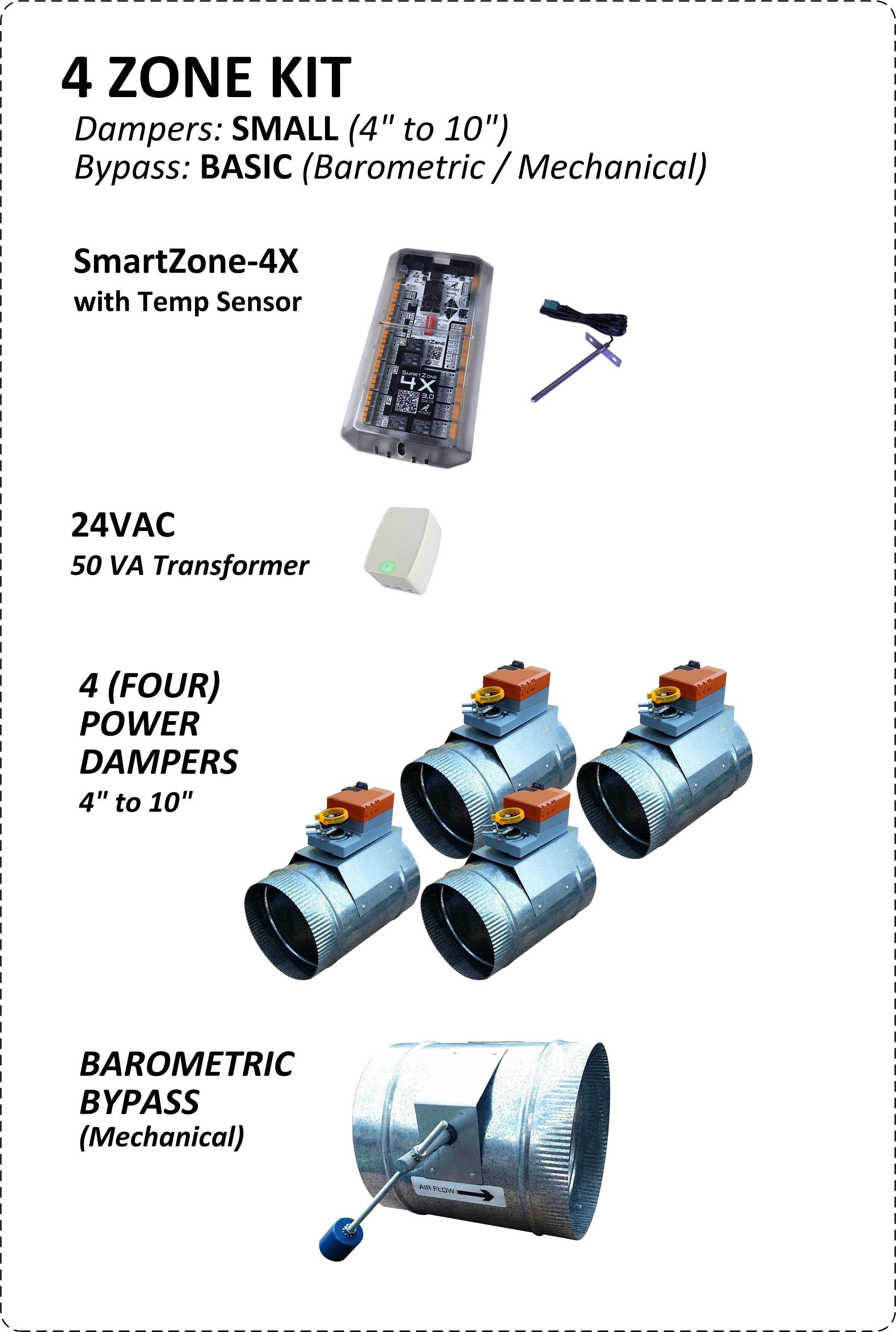
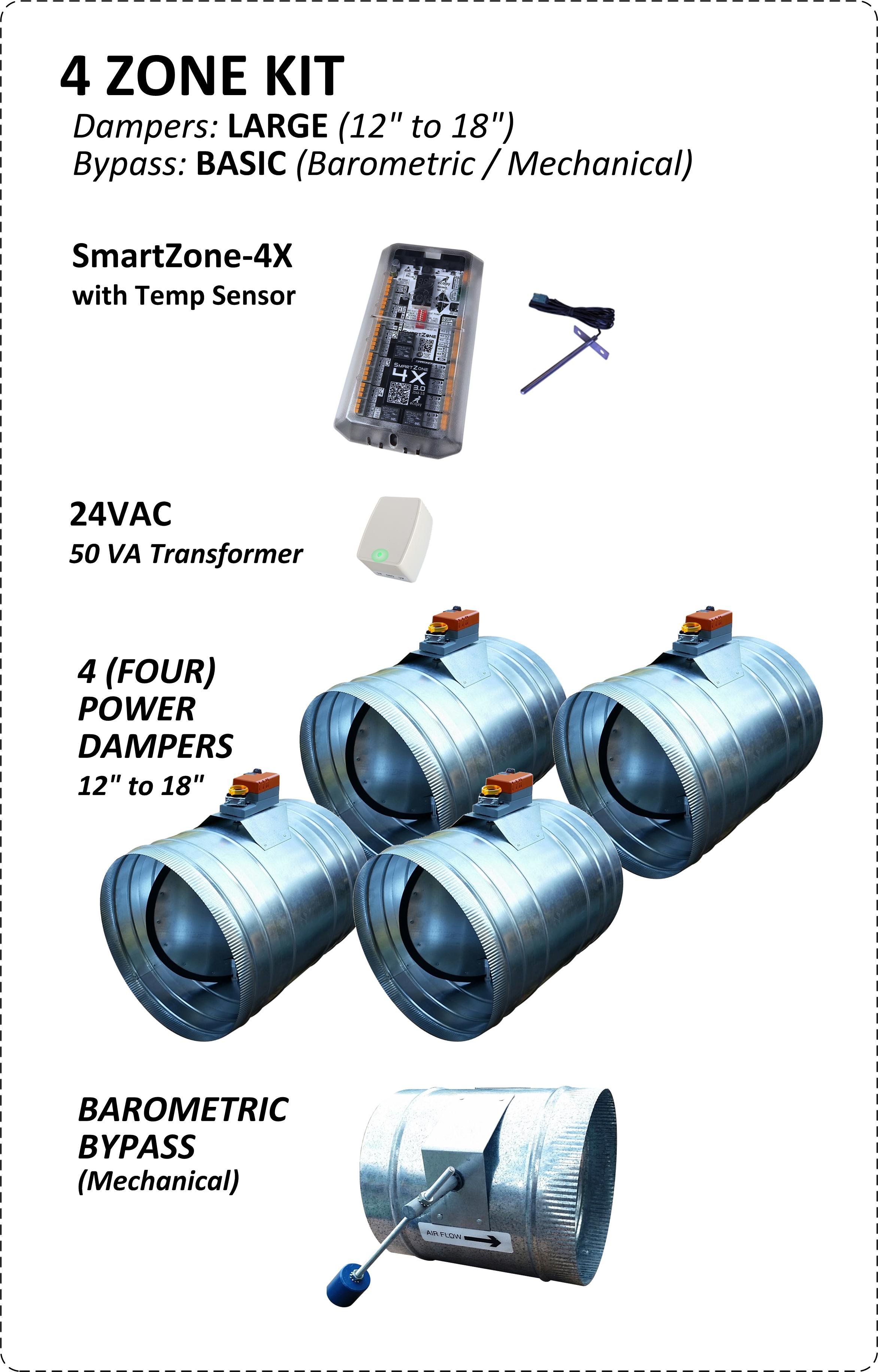
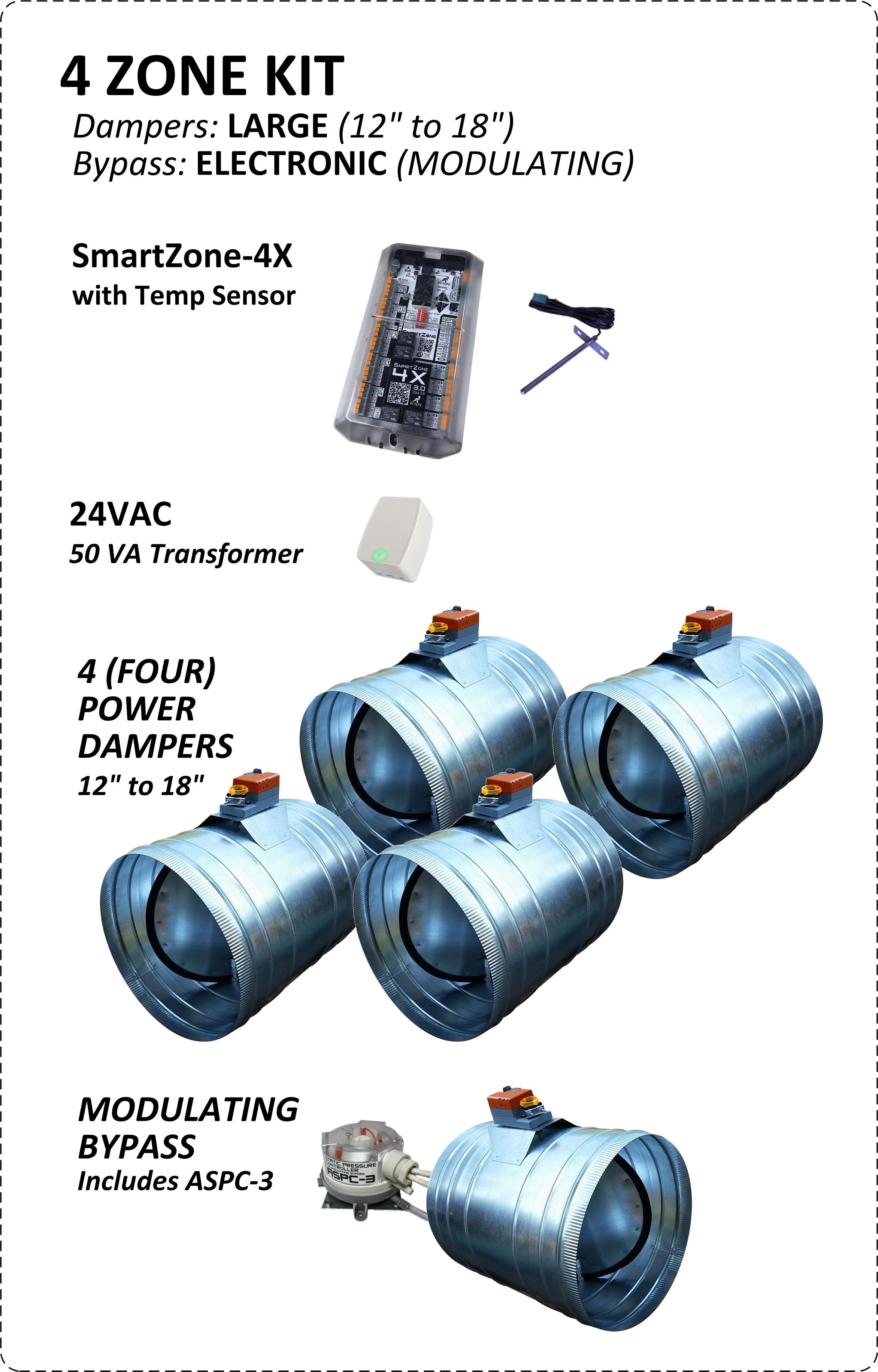
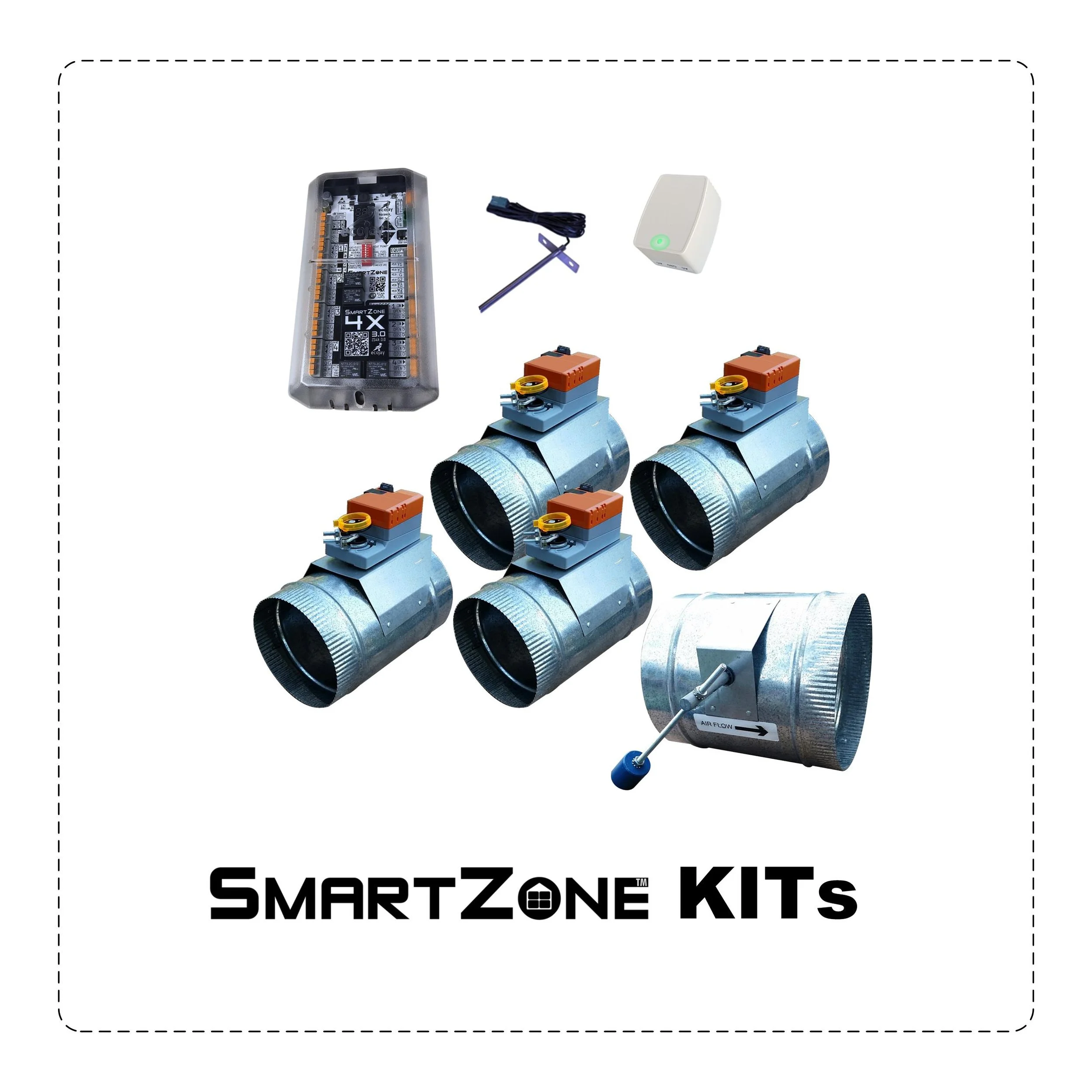
2, 3, or 4 Zone KITS
from $599.99
INCLUDED:
Zone Controller (SmartZone)
Pro-Grade Round Zone Supply Dampers*
Bypass Damper (Round)
50VA 24VAC Power Transformer
* Select each size when "Adding to Cart"
Round gasket-ed blade, weight-arm style pressure relief (Bypass) damper.
NOTE: All dampers subject to a 10% restocking fee.