ZoningSupply.com - Zone Control

HVAC Zone Controls & Zoning Dampers

SmartZone

Thermostat Calling for Heat but Getting AC? Heat Pump Troubleshooting

DIY Zoning, homeownerszoning supplyComment

Thermostat Calling for Heat but Getting AC? Check Your Heat Pump Settings!

When the seasons change, one of the most common troubleshooting calls we receive at ECOJAY is surprisingly simple: "My thermostat is calling for heat, but my air conditioner is running!"
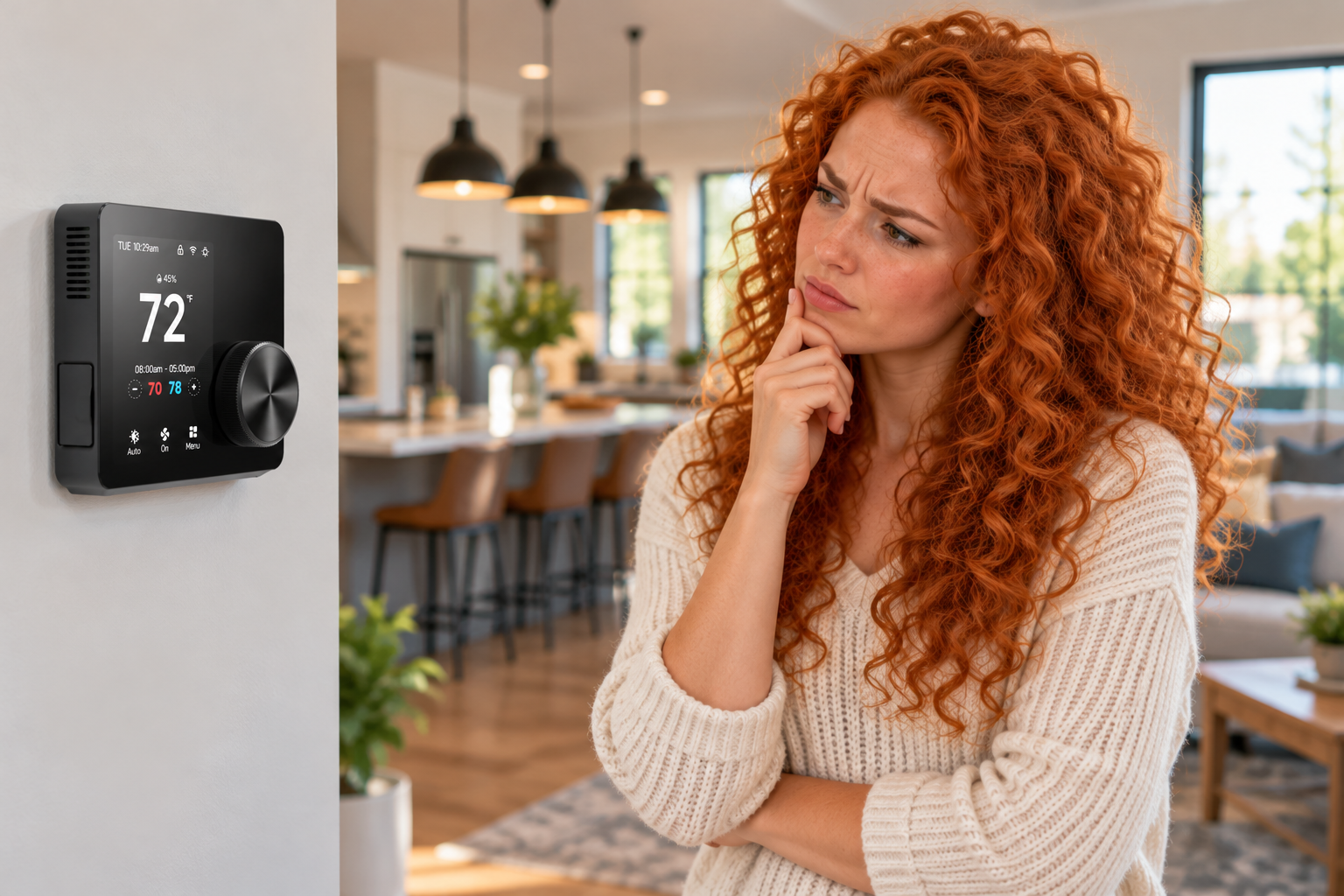
This problem often appears during the first cold days of fall, when homeowners switch their HVAC systems from cooling to heating for the first time in months.

The good news? In many cases, nothing is actually broken. The problem is simply a configuration mismatch between the thermostat, HVAC zone control panel, and heat pump equipment.

Let's explain why this happens and how to fix it.

Understanding How a Heat Pump Switches Between Heating and Cooling

Unlike a conventional furnace and air conditioner, a heat pump uses the same refrigeration system to provide both heating and cooling.

To switch between these two modes, a heat pump uses a component called a reversing valve.

The reversing valve changes the direction of refrigerant flow, allowing the system to either heat or cool your home.

Here's where things get interesting: Not all heat pumps use the same reversing valve logic!

Heat pumps typically use one of two configurations:

  • O (energized in cooling): The reversing valve receives 24VAC during cooling operation. This is the most common configuration used by residential heat pump manufacturers.

  • B (energized in heating): The reversing valve receives 24VAC during heating operation. This configuration is used by certain manufacturers, most notably Rheem and Ruud.

Both methods accomplish the same thing, but they operate in opposite ways.

If your HVAC controls are configured for the wrong type, your heat pump may operate in cooling mode when heating is requested, or vice versa.

Why HVAC Zoning Systems Add Another Configuration Step

In a traditional single-thermostat installation, the thermostat controls the heat pump directly.

However, in a zoned HVAC system, the zone control panel sits between the thermostats and the HVAC equipment.

That means three components must be configured correctly:

  1. The thermostat: Must be configured for the appropriate system type, such as a conventional furnace/AC or a heat pump, and the correct O/B setting when applicable.

  2. The zone control panel: Must recognize the thermostat's heating and cooling signals and translate them into the correct equipment outputs.

  3. The HVAC equipment: The heat pump's reversing valve operation must match the configuration of the zone control panel.

If any of these settings are incorrect, the system may run in the opposite mode from what the thermostat requests.

For example, a heat pump that requires an O signal for cooling could mistakenly receive that signal during a heating call if the zone control panel is configured for B operation.

The result? Your thermostat says HEAT, but your system delivers COOL air!

How to Troubleshoot the Problem

Before assuming that your heat pump, thermostat, or zone controller is defective, check these common configuration issues.

Step 1: Verify the Thermostat Configuration
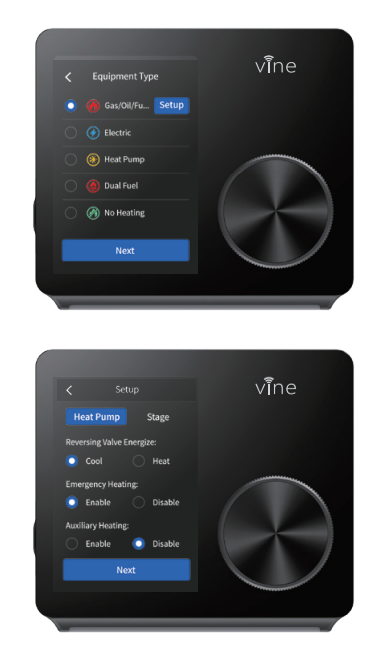
Enter the thermostat's installer setup menu and confirm that the equipment type is configured correctly.

If the thermostat is connected to a zone control panel, follow the zone panel manufacturer's instructions for selecting the thermostat type. Some zoning systems require thermostats to be configured as conventional heating/cooling thermostats, even when the equipment itself is a heat pump.

Step 2: Check the Zone Control Panel Settings

Verify that the zone control panel is configured for the actual HVAC equipment.

For heat pump systems, confirm the reversing valve setting (DIP SWITCH #2):

  • O = Reversing valve energized during cooling

  • B = Reversing valve energized during heating

Also verify that the zone panel's thermostat configuration matches the type of signals being sent by each thermostat.

Step 3: Verify the Heat Pump Equipment Requirements

Consult the installation documentation for your particular heat pump.

While O operation is more common, some manufacturers use B operation. Never assume the correct setting based solely on the thermostat's default configuration.

Step 4: Test Heating and Cooling

After confirming the settings, test the system in both heating and cooling modes.

Allow time for the equipment's built-in compressor protection delays before evaluating operation.

Confirm that the equipment actually produces heating when requested and cooling when requested.

If the system still operates incorrectly, a qualified HVAC technician can check the thermostat signals, zone panel outputs, and reversing valve circuit.

A Special Note for SmartZone Owners

ECOJAY SmartZone controllers are designed to work with conventional heating/cooling systems and heat pump equipment, including systems with O or B reversing valve operation.

When troubleshooting a SmartZone installation, it's important to verify both the thermostat configuration and the equipment configuration on the SmartZone panel.

Remember that the thermostat type and the HVAC equipment type are not necessarily the same setting. A heat pump installation may use conventional thermostat signaling, depending on the zone panel configuration.

Before changing wiring or replacing equipment, review your SmartZone installation guide and confirm the correct setup.

The Bottom Line: Check the Settings Before Replacing Parts!

When your thermostat calls for heat but the system produces cooling, the problem may be nothing more than an incorrect thermostat or zone controller setting.

This is particularly common during seasonal changeovers, when a configuration problem that went unnoticed during summer cooling suddenly becomes obvious.

Understanding the difference between O and B reversing valve operation—and ensuring your thermostat, zoning controller, and heat pump are configured to work together—can save time, frustration, and unnecessary service calls.

Need help with your SmartZone installation?

Visit ZoningSupply.com for SmartZone zoning controllers, installation resources, and HVAC zoning accessories.

ECOJAY has been developing innovative HVAC zoning solutions for more than 20 years, with a focus on making zoning easier to install, configure, and troubleshoot.
Understanding ECO / Away Mode on Ecojay SmartZone Controllers

Zone Control Info, HVAC Contractorszoning supplyComment

What It Does, How It Works, and When to Use It (SmartZone-3X, SmartZone-4X, and with SmartLINK)

Ecojay’s SmartZone zoning controllers include a unique feature called ECO / Away Mode. Unlike energy-saving modes on thermostats or variable-speed systems, ECO Mode on SmartZone is specifically designed to control which zones are allowed to make equipment calls.

This article explains exactly what ECO/Away Mode does, how it affects damper operation, how to wire/activate it, and how it works in multi-board SmartLINK systems.

➡️ SmartZone Installation Guide: https://zoningsupply.com/smartzone34x-guide
➡️ View ECO Mode switch Product Page: https://zoningsupply.com/buy/eco-away-mode-switch

⭐ What ECO / Away Mode Actually Does

When ECO/Away Mode is active, SmartZone changes how heating or cooling is allowed to start:

✔ Only Zone 1 can energize heating or cooling equipment calls.

Zone 1 becomes the only thermostat that can initiate a call for heat or cool from the HVAC system.

✔ All other zones behave differently:

  • If another zone is calling for the same mode (heat or cool),
    → its damper opens, but it cannot start the equipment.

  • If a zone is already satisfied,
    → its damper stays closed.

  • If all zone thermostats are satisfied,
    → all dampers open (normal SmartZone behavior).

ECO Mode does not change staging, delays, fan logic, or temperature thresholds.
It simply controls which thermostats can and cannot call for equipment.

This makes it extremely useful for vacation homes, commercial buildings, sleeping areas, or any application where you want the system to run only when Zone 1 wants it, while still allowing or preventing airflow to other zones.

🔧 How to Activate ECO / Away Mode

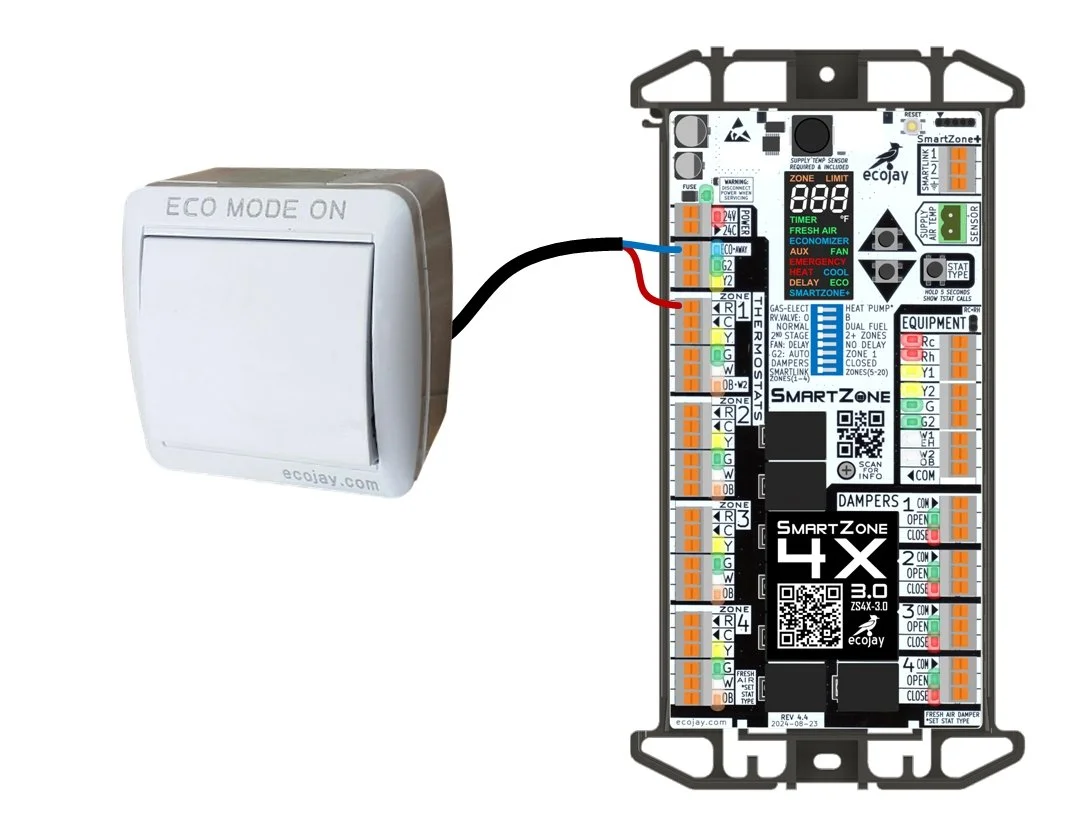
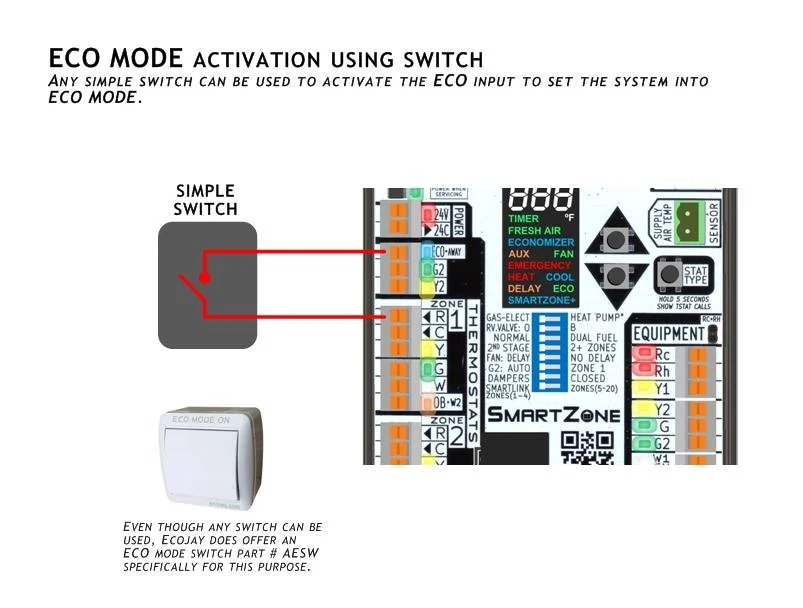
ECO/Away Mode can be activated using:

  • A wall switch

  • A relay / thermostat output

  • A jumper wire

  • Any 24VAC rated dry-contact

To enable ECO/Away Mode:

Connect 24V (R) to the ECO/Away input terminal on the SmartZone controller.
(This input is located above the Zone 1 thermostat connector.)

To deactivate ECO Mode, remove the jumper or switch the relay back to open.

This simple wiring method allows:

  • A manual “vacation mode” switch

  • Smart home automation integration

  • Security system integration

  • Time-of-day or occupancy-based control

🏠 What Happens to Dampers in ECO Mode?

When Zone 1 calls (heat/cool):

  • Zone 1 → damper opens, and equipment runs

  • Other calling zones → damper opens

  • Satisfied zones → damper closes

When only non-Zone-1 thermostats call:

  • Nothing, it is as if there are NO calls to the system.

  • If Zone 1 begins to call, then the equipment will start and all similar calling zone dampers will open

When all zones are satisfied:

  • All dampers open (SmartZone default)

This ensures airflow and comfort without allowing non-primary zones to start the system.

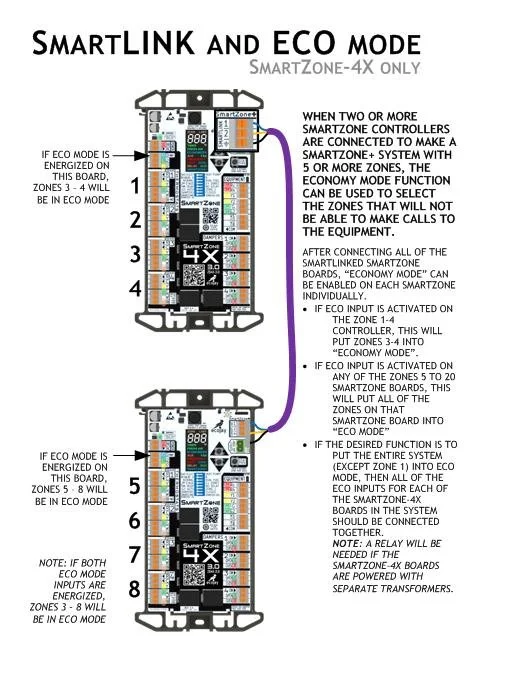
🧩 ECO / Away Mode in Systems with More Than 4 Zones (SmartLINK)

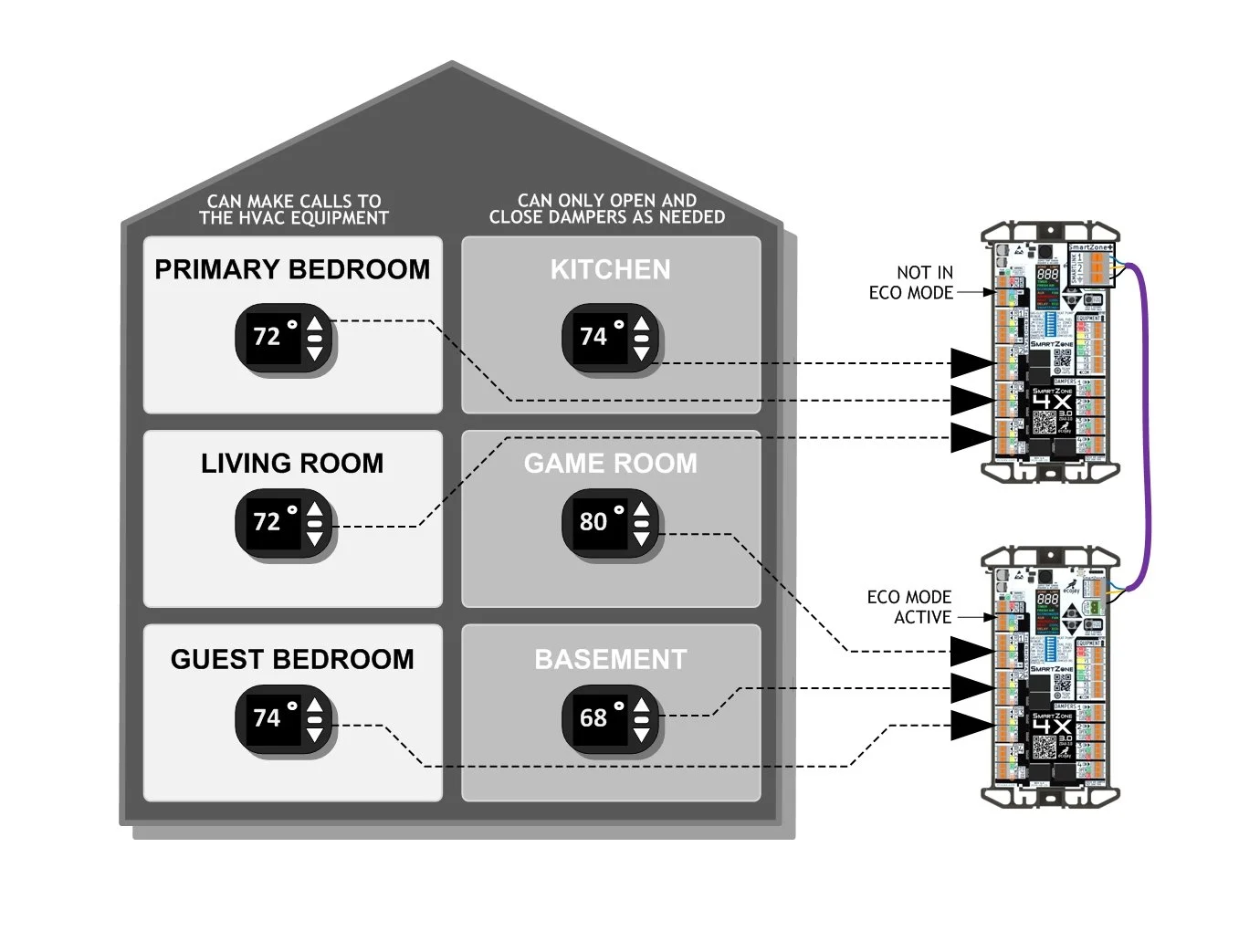
SmartZone SmartLINK with ECO mode house graphic

In SmartLINK multi-board systems (SmartZone+):

Each SmartZone board has its own ECO/Away Mode input.

This allows for two different ways to use the feature:

1. Entire System ECO Mode

If you want every zone in the system to behave in ECO Mode (except zone 1):

  • Activate the ECO input on all SmartZone boards

  • Typically this is done by wiring all ECO inputs together to one switch

  • When the input on each board receives 24V → the whole system goes into ECO/Away Mode

  • Note: If separate transformers are used to power each SmartZone, then a relay should be used to isolate the ECO inputs when switched.

Best For:

  • Whole-building vacation mode

  • After-hours commercial behavior

  • Energy-saving schedules

  • Remote disable via automation

2. Selective ECO Mode (Only Certain Boards Active)

This is a powerful feature that many zoning systems cannot do.

If only certain zones should be restricted:

  • Energize only the ECO input on the board(s) you want in ECO Mode

  • Boards not in ECO Mode continue normal operation

This allows some zones to:

  • Start and run HVAC equipment

  • While others are ECO-restricted to only open and close dampers

Real Example:
A 7-zone home using two SmartZone boards:

  • Board A (Zones 1–4) → Normal

  • Board B (Zones 5–7) → ECO/Away Mode active

Zones on Board B open their dampers when calling but cannot start equipment, while Zones 1–4 operate normally.

Perfect for:

  • Bedrooms restricted at night

  • Basement or bonus room zones restricted unless occupied

  • Tenants, guest areas, offices, conference rooms

  • Selective HVAC usage in multi-story homes

📘 Why Use ECO / Away Mode?

Installers and homeowners choose ECO Mode for:

✔ Vacation / Away Mode for the whole house

Only Zone 1 keeps the system running.

✔ Preventing non-priority zones from starting equipment

Useful in commercial buildings and multi-zone homes.

✔ Energy savings without shutting off zones completely

Zones still get airflow when equipment is running.

✔ Integrating with occupancy sensors or home automation

Automation can enable ECO Mode when zones are empty.

✔ Restricting equipment starts to supervised or conditioned areas

Zone 1 becomes the “manager” zone.

🧠 Common Misunderstandings (Cleared Up)

ECO Mode does NOT:

  • Change temperature setpoints

  • Alter staging

  • Add time delays

  • Modify heat pump balance points

  • Increase or decrease fan runtime

  • Close dampers automatically to save energy

ECO Mode DOES:

  • Control which zones can tell the HVAC system to turn on

  • Keep dampers in a safe, predictable position

  • Allow airflow while preventing unnecessary calls

  • Provide selective zone enabling in SmartLINK setups

Conclusion

ECO / Away Mode on SmartZone controllers gives you fine-grained control over which zones can make equipment calls while still providing airflow and comfort across the system.
It can operate system-wide or selectively, making it one of the most flexible features in SmartZone+ SmartLINK installations.

Whether you want a whole-home vacation mode, a commercial after-hours mode, or selective equipment control per zone, ECO Mode provides a simple, reliable solution.

ECO / AWAY Mode Switch
$9.99

Wall-Mounted on/off switch for ECO Mode on all SmartZone controllers.
Simple way to get more energy savings from SmartZone.  Use this switch to enable ECO Mode easily.  ECO Mode puts the entire zone control system in a "setback or away" state by disabling equipment control for all zones except ZONE 1.  Dampers will still open and close as needed but ONLY ZONE 1 will be able to energize heat or cooling.

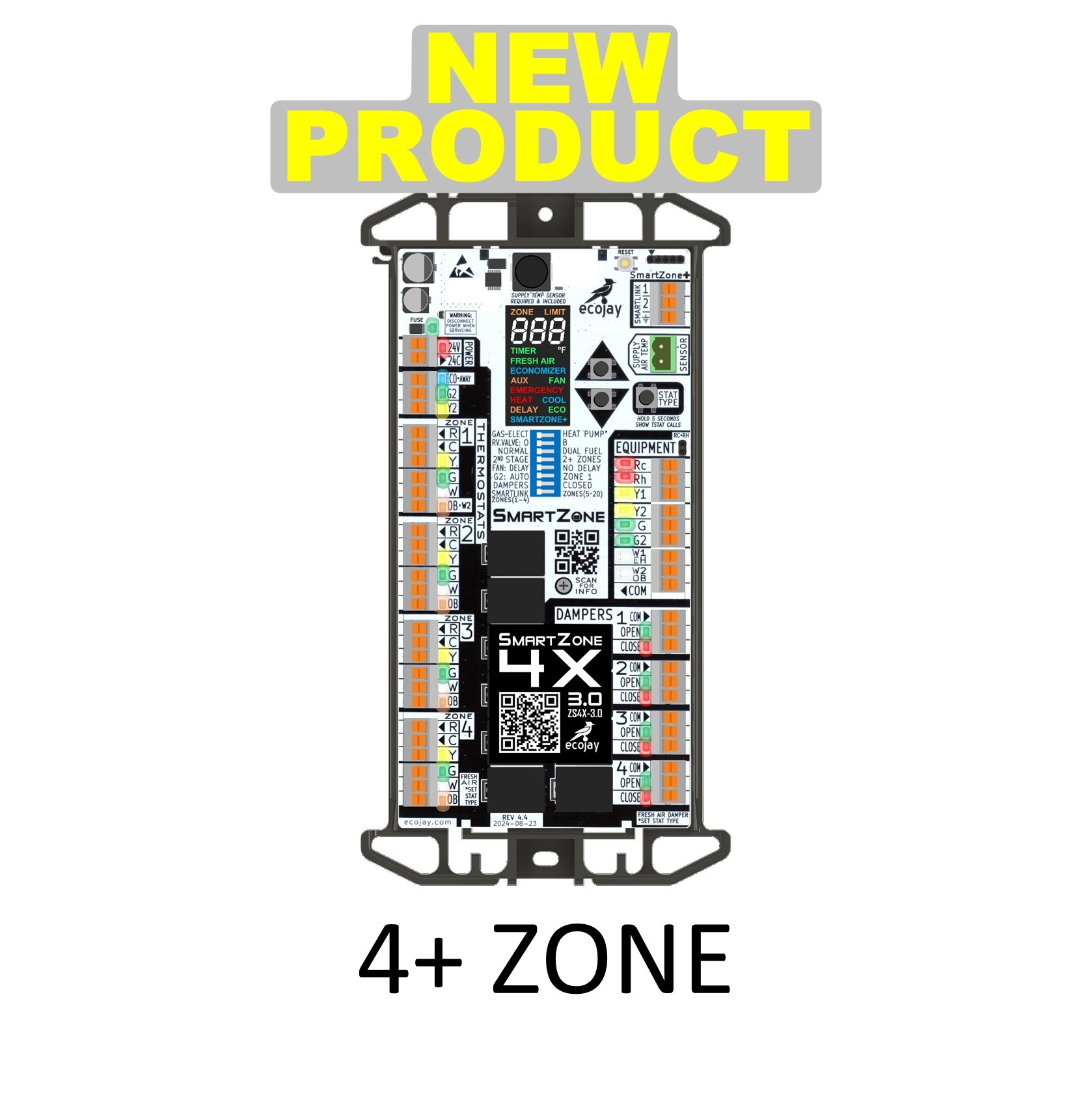
SmartZone-4X 3.0
Sale Price: $269.99 Original Price: $299.00

4-Zone Controller

NEW for 2025 - SmartZone better than ever
Replace almost any brand existing zone control ... use with any thermostats (including WiFi).

Control heating and cooling comfort room by room.

  • EASY INSTALLATION - no screwdriver or voltmeter required

  • UNIVERSAL COMPATIBILITY - drop in replacement for many models (see list in Additional Info)

  • BEST FEATURES - built in Fresh Air Control, expansion port up to 20 Zones

  • SUPPLY AIR TEMP SENSOR - included for Smart-Staging & equipment protection

  • DESIGNED & ASSEMBLED IN THE USA

  • LEARN MORE

SmartZone-3X 3.0
$189.99

NEW PRODUCT - 2025 - Shipping now!
SmartZone-3X 3.0 is the newest addition to the SmartZone family of zone controllers. It has been engineered to make installation easier than ever before. This product will replace the SmartZone-2X, giving our customers and extra zone. For those familiar with SmartZone already, you will see the similarities but with improvements including upgraded display and the addition of built-in FRESH AIR and ECONOMIZER controls.

Replacing old 2-wire spring damper with a high quality ecojay damper

Supportzoning supplyComment

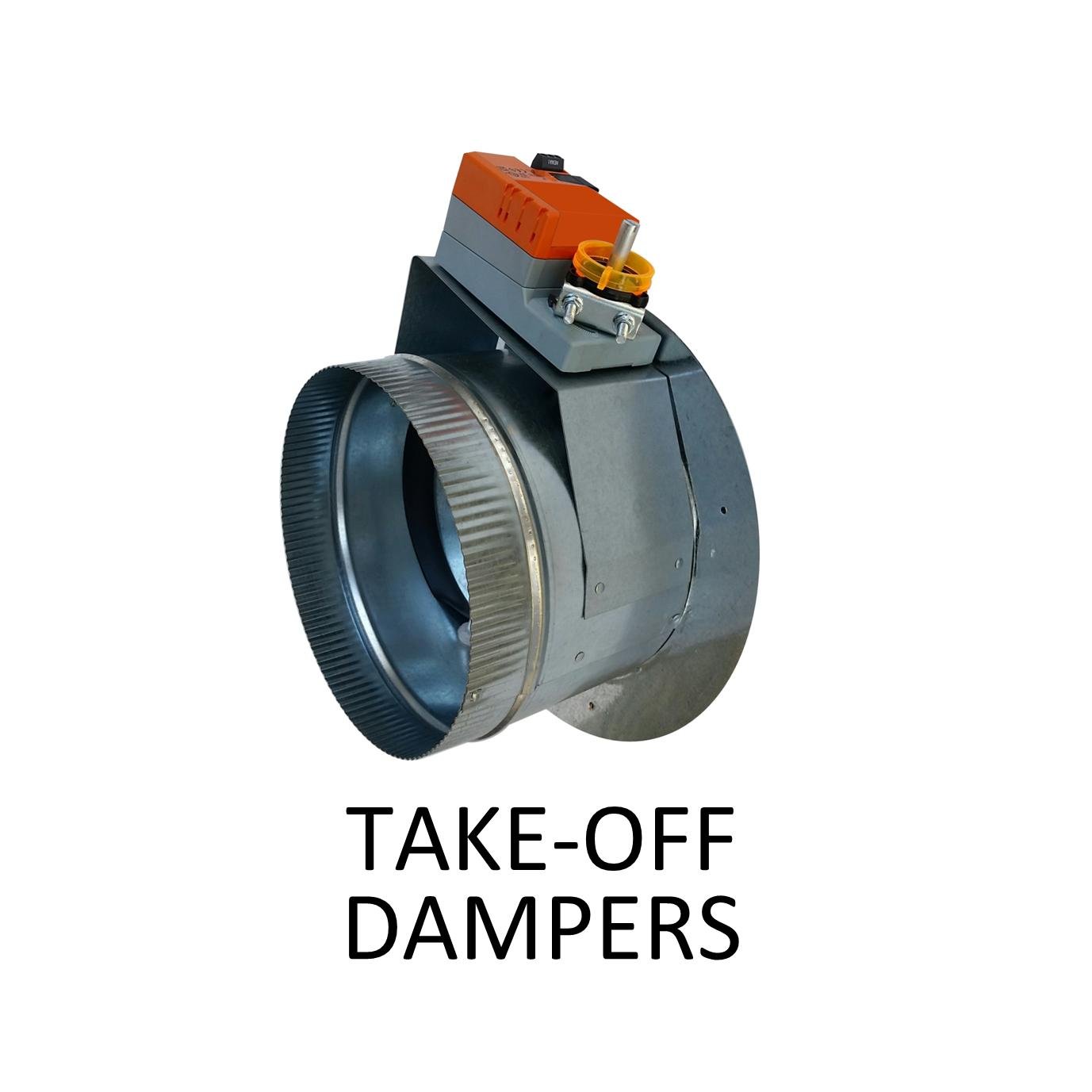
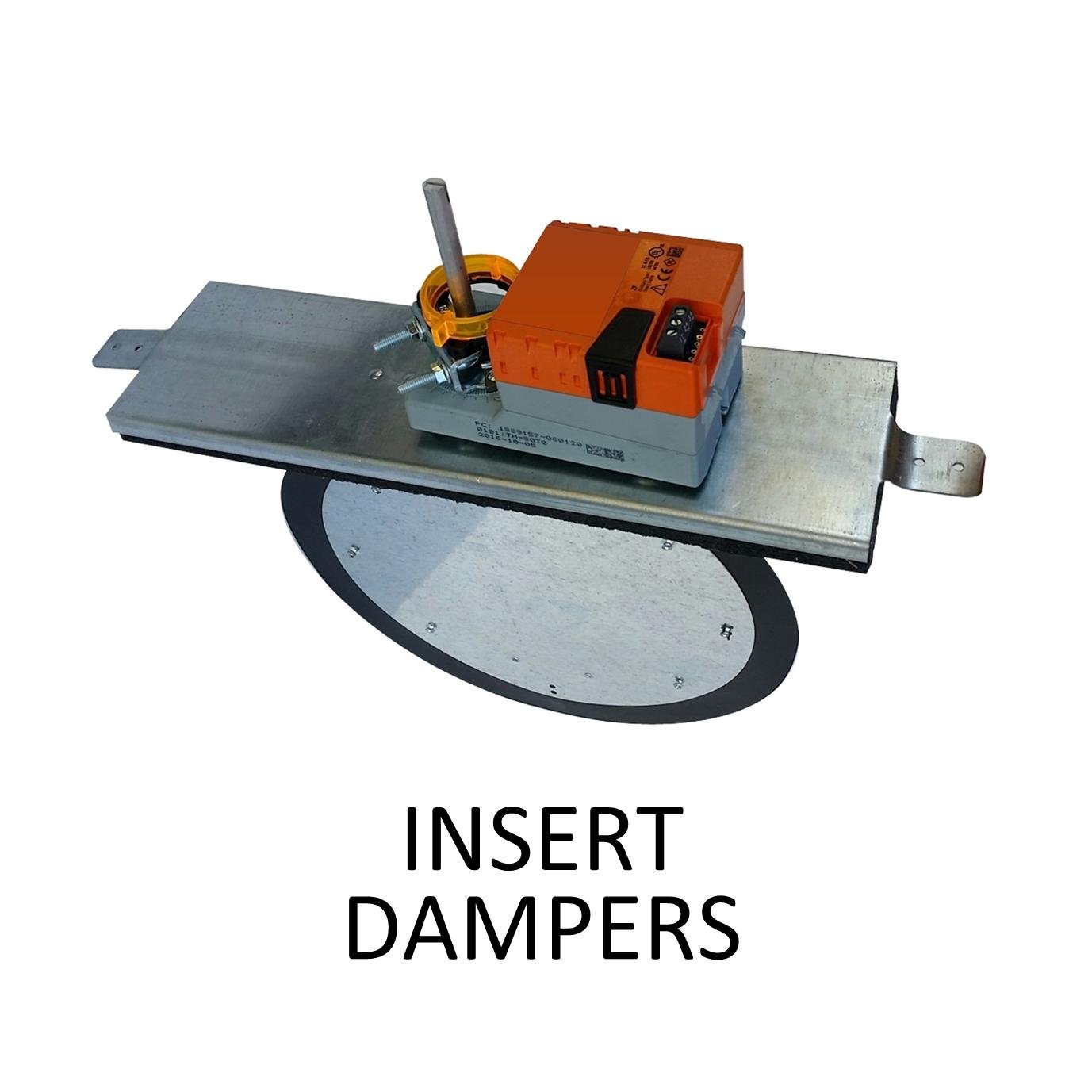
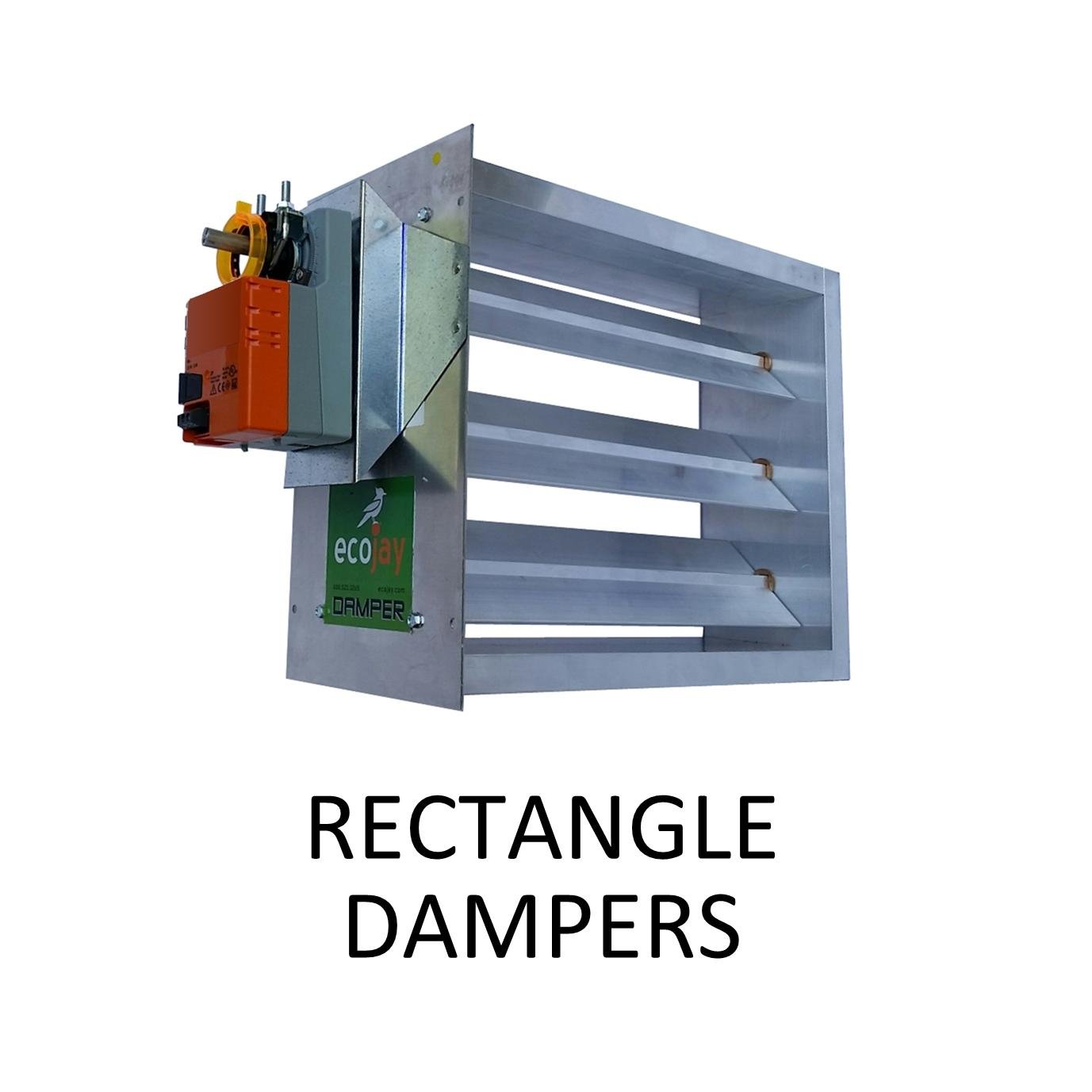
UPDATE: March 2017 - NEW Dampers available now.  TAKE-OFF ROUND, INSERT ROUND & RECTANGLE Dampers all available now ... scroll down to see all damper models. OR click here.

Some older zone control panels have only two connectors for damper wiring (common & power-close).  These were designed when predominately 2-wire (spring open) dampers were used for zoning.  In recent years, 3-wire (power-open, power-close) dampers have become more common because of their low power consumption and higher reliability.  You might think you have to upgrade your zoning panel to accommodate for these preferable 3-wire dampers... not with Ecojay dampers and belimo actuators.  The wiring diagram below shows how to connect the Ecojay Power Damper to an older zone panel that is only designed to work with 2-wire dampers.

If you are planing to replace the zone controller with SmartZone, this diagram is NOT necessary.

If you have any questions, call or email us.

Replace a Honeywell 4 Zone with SmartZone-4X

Supportzoning supplyComment

UPGRADE your system with an easier & better zoning control.  The SmartZone-4X is a drop in replacement for many zone control systems.  This is a quick diagram showing where to plug in the wires after disconnecting them from your old HONEYWELL system.

Honeywell HZ432, HZ-432, HZ322, HZ-322, HZ311, HZ-311, HZ221, HZ-221 can all be replaced by the SmartZone-4X in most cases.  For more information go to http://www.smartzoning.com