
The HVAC industry continues to evolve rapidly in 2026, driven by regulatory changes, major investments, new technologies, and growing demand for smarter, more efficient systems. Below are ten of the most important recent developments—and what they mean for contractors, distributors, and homeowners.
1. Massive HVAC IPO Signals Strong Market Confidence
One of the biggest HVAC stories of 2026 so far is the IPO of Madison Air Solutions, which raised over $2.2 billion and achieved a valuation exceeding $13 billion.

This isn’t just a financial headline—it’s a signal of how investors view the HVAC industry. Companies focused on indoor air quality, ventilation, and specialized airflow solutions are being positioned as critical infrastructure, especially as demand grows from data centers, healthcare, and advanced manufacturing.
Madison Air’s rapid growth—driven in part by acquisitions and increasing demand for clean air systems—reflects a broader trend: HVAC is no longer just about comfort. It’s about health, energy efficiency, and mission-critical environments.
For contractors and distributors, this signals continued expansion in high-value segments such as filtration, IAQ upgrades, and precision airflow control systems.
Further Reading:
https://www.reuters.com/business/madison-air-raises-22-billion-us-ipo-2026-04-15/
https://www.barrons.com/articles/madison-air-stock-ipo-today
2. Regulatory Pushback on Refrigerant Policies Emerges

While the U.S. continues transitioning toward low-GWP refrigerants, not all regions are aligned. In New York, lawmakers are now considering rolling back strict refrigeration mandates due to cost pressures on businesses and residents.
This highlights a growing tension between environmental goals and economic realities. While federal timelines under the AIM Act continue, state-level policies may diverge—creating complexity for contractors working across multiple jurisdictions.
The result in 2026 is a fragmented regulatory landscape. Contractors must stay informed not only on federal requirements, but also on state-level variations that could impact equipment selection, installation standards, and long-term service considerations.
Further Reading:
https://www.achrnews.com/articles/163941-what-the-aim-act-means-for-hvac
3. HVAC Industry Consolidation Accelerates

2026 is seeing continued consolidation among HVAC manufacturers and distributors, with major acquisitions reshaping the competitive landscape.
Large companies are acquiring smaller firms to expand product portfolios, increase geographic reach, and integrate new technologies such as controls, IAQ, and energy analytics. This trend benefits contractors in some ways—offering broader product support—but also reduces supplier diversity.
For distributors like ZoningSupply, this creates both challenges and opportunities: differentiation increasingly comes from expertise, niche products (like zoning), and technical support rather than simply carrying major brands.
Further Reading:
https://www.achrnews.com/articles/165908-hvac-trends-consolidation-and-the-2026-market
https://www.hvacinformed.com/insights/hvac-industry-mergers-acquisitions-analysis.html
4. Smart Building Platforms Expand Rapidly

Samsung’s SmartThings Pro platform highlights how large tech companies are entering the HVAC control space. These systems allow centralized monitoring and automation across multiple buildings.
This signals a shift toward fully integrated smart-building ecosystems, where HVAC systems operate alongside lighting, security, and energy management platforms.
For contractors, this means controls knowledge is no longer optional—it’s essential. Integration and commissioning are becoming core skill sets.
Further Reading:
https://www.lifewire.com/samsung-launches-smartthings-pro-11897842
https://www.achrnews.com/articles/164216-2025-ahr-expo-hits-top-hvac-trends
5. Workforce Development Becomes a Global Priority
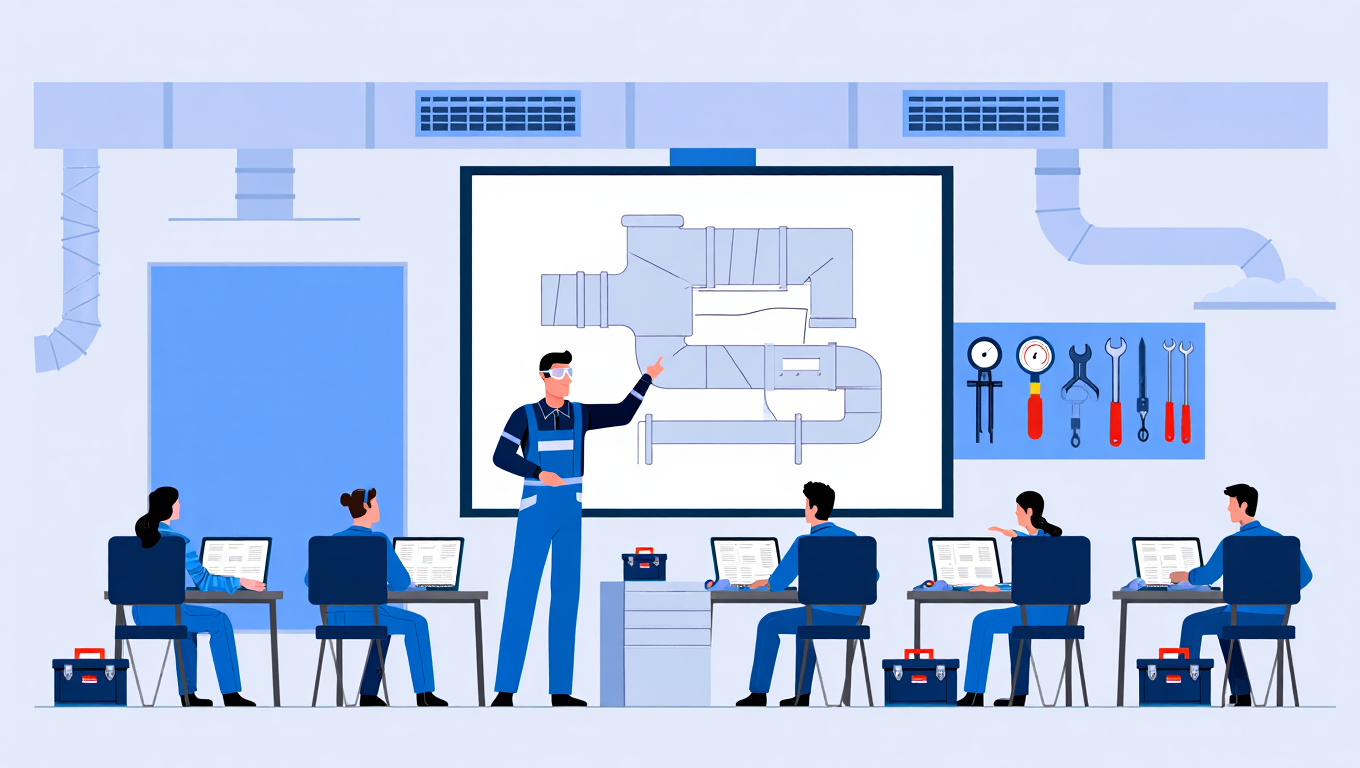
The HVAC labor shortage continues to be one of the industry’s biggest challenges. Companies and governments are investing heavily in training programs to address the gap.
Programs like Bosch’s HVAC training centers demonstrate the scale of the issue. Without skilled technicians, even the most advanced HVAC technologies cannot be implemented effectively.
At the same time, tools and automation are helping technicians become more efficient, but they are not replacing the need for skilled labor.
Further Reading:
https://www.hvacinformed.com/insights/hvac-workforce-shortage-solutions.html
https://www.achrnews.com/articles/164955-addressing-the-hvac-labor-shortage
6. AI and Predictive Controls Move Into the Mainstream
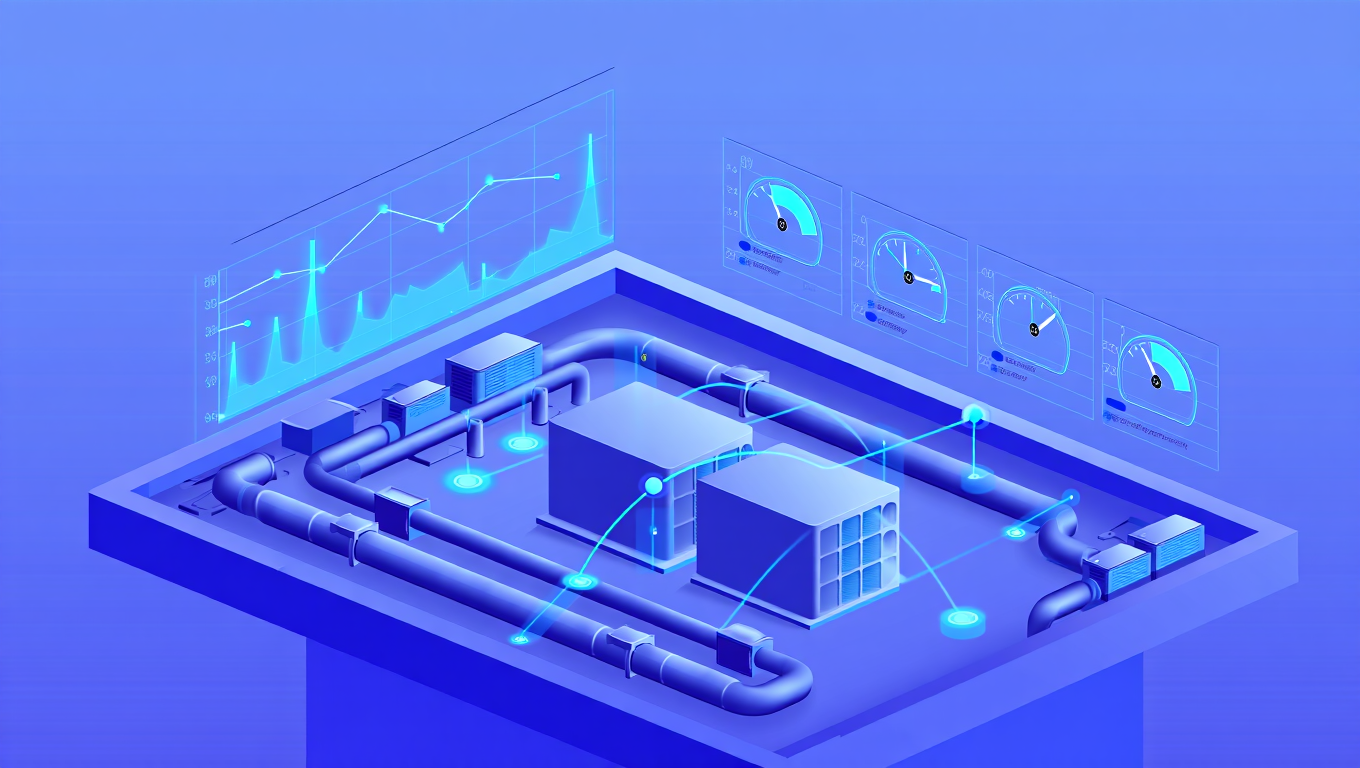
Artificial intelligence is becoming a major component of modern HVAC systems. Predictive maintenance, adaptive controls, and energy optimization tools are now being integrated into equipment and building management systems.
These technologies allow systems to respond dynamically to occupancy, energy pricing, and environmental conditions—improving efficiency while maintaining comfort.
For contractors, this shift means increased involvement in system setup, calibration, and ongoing optimization.
Further Reading:
https://www.hvacinformed.com/insights/ai-in-hvac-systems-optimization.html
7. HVAC Zoning Systems See Strong Growth in 2026
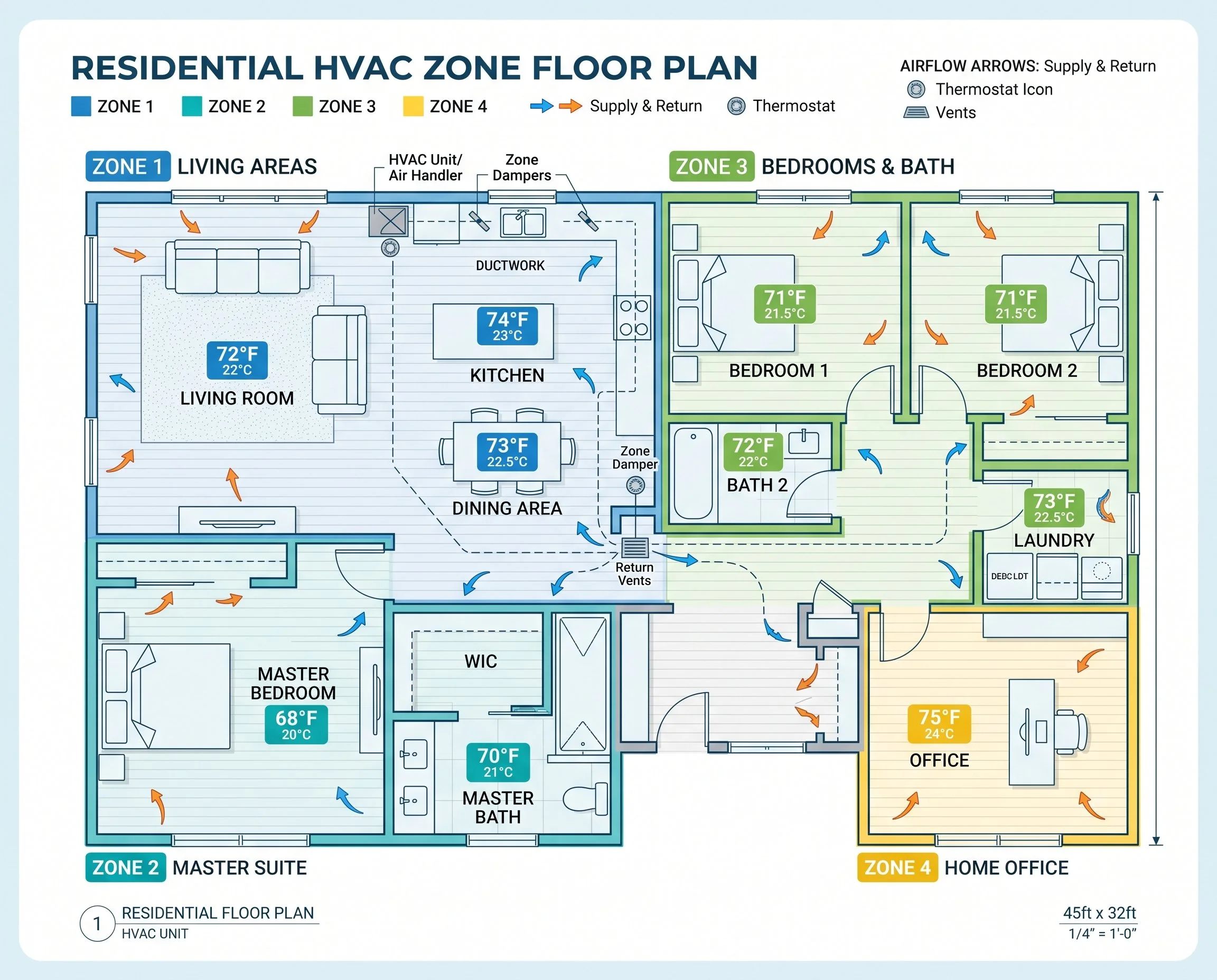
Zoning continues to gain traction as one of the most practical ways to improve comfort and efficiency. Homeowners increasingly want room-by-room control, especially in larger homes or buildings with uneven heating and cooling.
Modern zoning systems are easier to install and more reliable than earlier generations, making them accessible to a broader market.
Ecojay’s zoning solutions play a key role in this trend, offering flexible, contractor-friendly systems.
Further Reading:
https://zoningsupply.com/blogs/news/what-is-hvac-zoning
8. Smart Dampers and Airflow Control Gain Importance
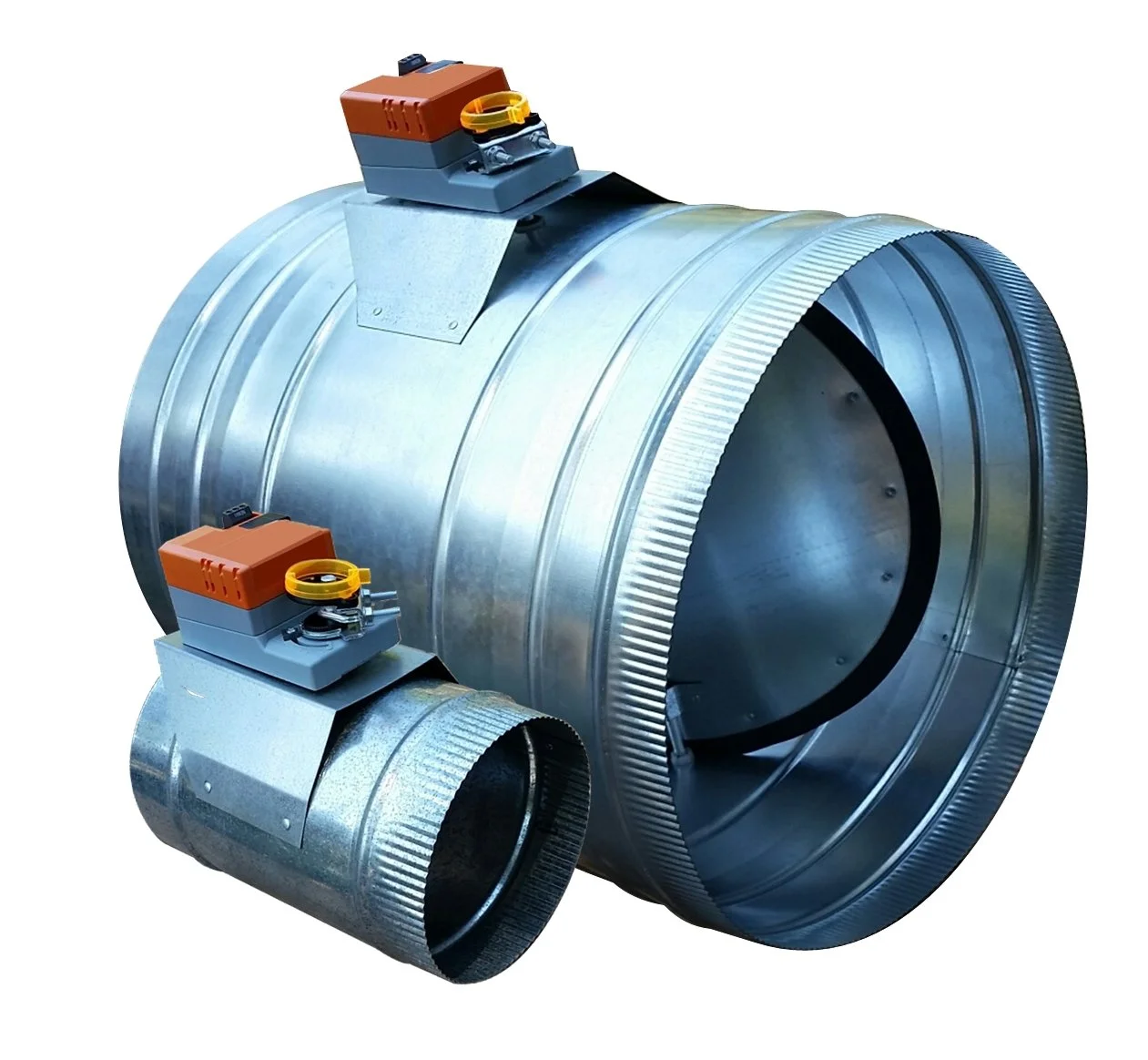
Airflow control is becoming just as important as temperature control. Smart dampers allow HVAC systems to direct air precisely where it’s needed, improving comfort and efficiency.
This is especially important in homes with varying occupancy patterns or complex layouts.
Advanced zoning systems integrate damper control with system staging and airflow monitoring, preventing issues like high static pressure.
Ecojay solutions help simplify these implementations while maintaining system performance.
Further Reading:
https://zoningsupply.com/blogs/news/hvac-dampers-explained
9. Indoor Air Quality Remains a Top Priority
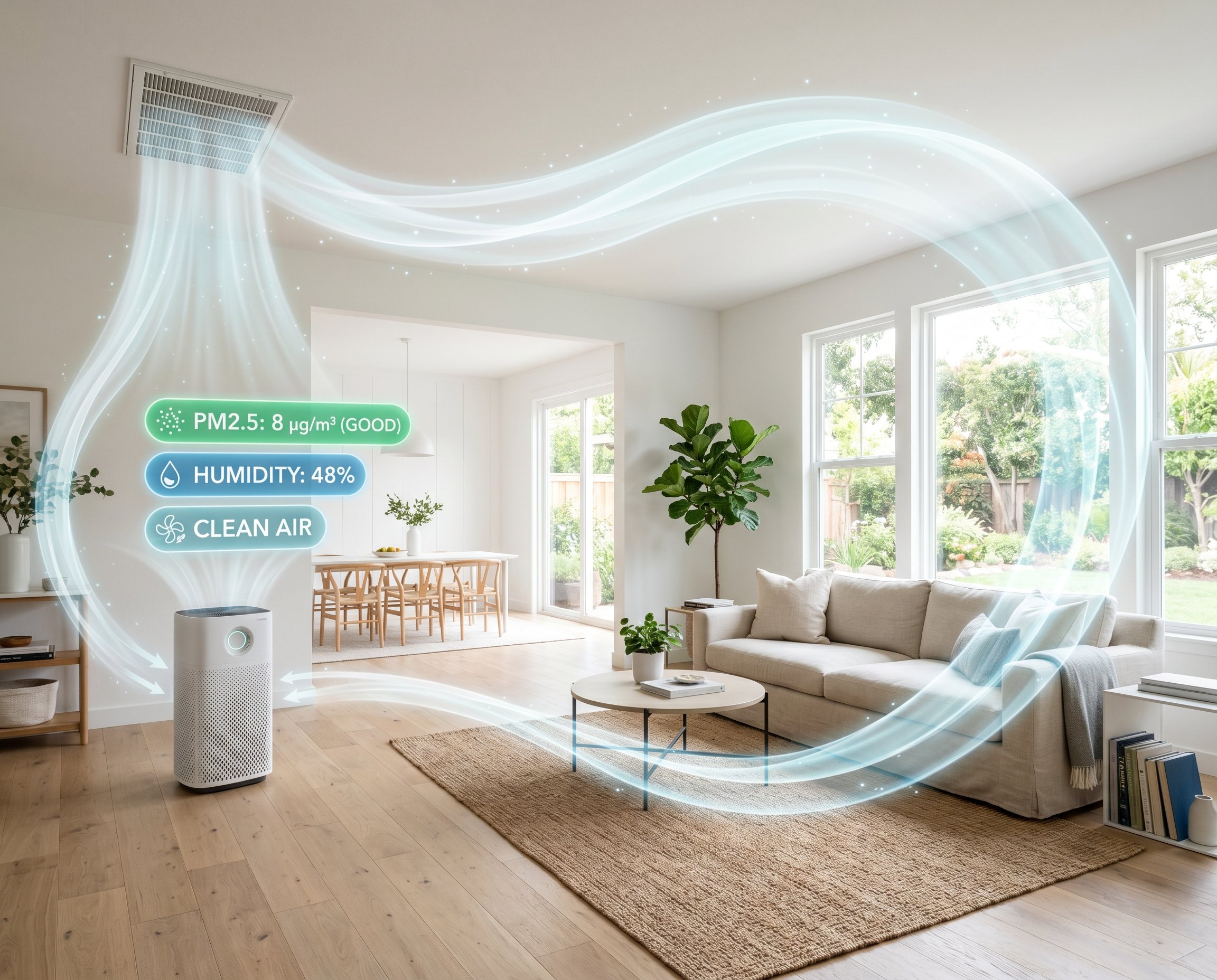
Indoor air quality continues to be a major driver of HVAC upgrades. Updated ventilation standards and increased awareness are pushing demand for better filtration, humidity control, and fresh air systems.
Wildfires, urban pollution, and post-pandemic awareness have all contributed to sustained interest in IAQ solutions.
This trend is expected to continue as building standards evolve.
Further Reading:
10. Commercial HVAC Market Growth Continues

The commercial HVAC market is experiencing steady growth, driven by urbanization, new construction, and increasing demand for energy-efficient systems.
Data centers are a particularly strong growth segment due to increased computing demand.
Commercial HVAC systems are also becoming more complex, integrating advanced controls, monitoring, and redundancy.
Further Reading:
https://finance.yahoo.com/news/commercial-hvac-industry-report-2026-063700129.html
https://www.grandviewresearch.com/industry-analysis/hvac-systems-market
Final Thoughts
The HVAC industry in May 2026 reflects a clear trajectory:
Increased technology integration
Continued focus on air quality and efficiency
Strong growth in zoning and airflow control systems
Ongoing need for skilled labor and training
For contractors and distributors, the opportunity lies in combining traditional HVAC expertise with modern solutions