ZoningSupply.com - Zone Control

HVAC Zone Controls & Zoning Dampers

zone dampers

Top 10 HVAC Predictions for 2026

Other HVACzoning supplyComment

What the HVAC Industry Can Expect in the Year Ahead

The HVAC industry enters 2026 with more momentum, innovation, and regulatory pressure than ever before. From new refrigerant standards to breakthroughs in smart controls and zoning, the next year will reshape how contractors, homeowners, and manufacturers think about comfort and energy management.

Below are 10 evidence-backed predictions for the HVAC world in 2026—where the industry is heading and why it matters.

1. Heat Pump Adoption Will Surpass Traditional AC in Many States

2023–2025 saw rapid heat-pump expansion, accelerated by:

  • federal tax credits

  • efficiency rules

  • electrification goals

  • manufacturer investment in cold-climate performance

In 2026, heat pumps are positioned to overtake traditional AC installs in several U.S. regions—especially the Northeast, Pacific Northwest, Mid-Atlantic, and parts of the Midwest.

Cold-climate inverter systems capable of delivering 100% heating capacity at 0°F or lower will become the new standard.
Manufacturers like Mitsubishi, Daikin, Lennox, and Bosch are leading the push.

Supporting links:

  • DOE electrification trends: https://www.energy.gov

  • ENERGY STAR heat pump updates: https://www.energystar.gov/products/heat_pumps

2. Low-GWP Refrigerants Will Drive a Major Retrofit Wave

With R410A being phased down and A2L refrigerants (like R32, R454B) entering the mainstream, 2026 will be the year the retrofit economy explodes.

Contractors will see increased service calls for:

  • retrofitting R410A systems

  • upgrading line sets

  • verifying ventilation/charge safety for A2L adoption

Many homeowners delayed replacements during 2024–2025 uncertainty, which means 2026 is the year of catch-up installations.

Supporting links:

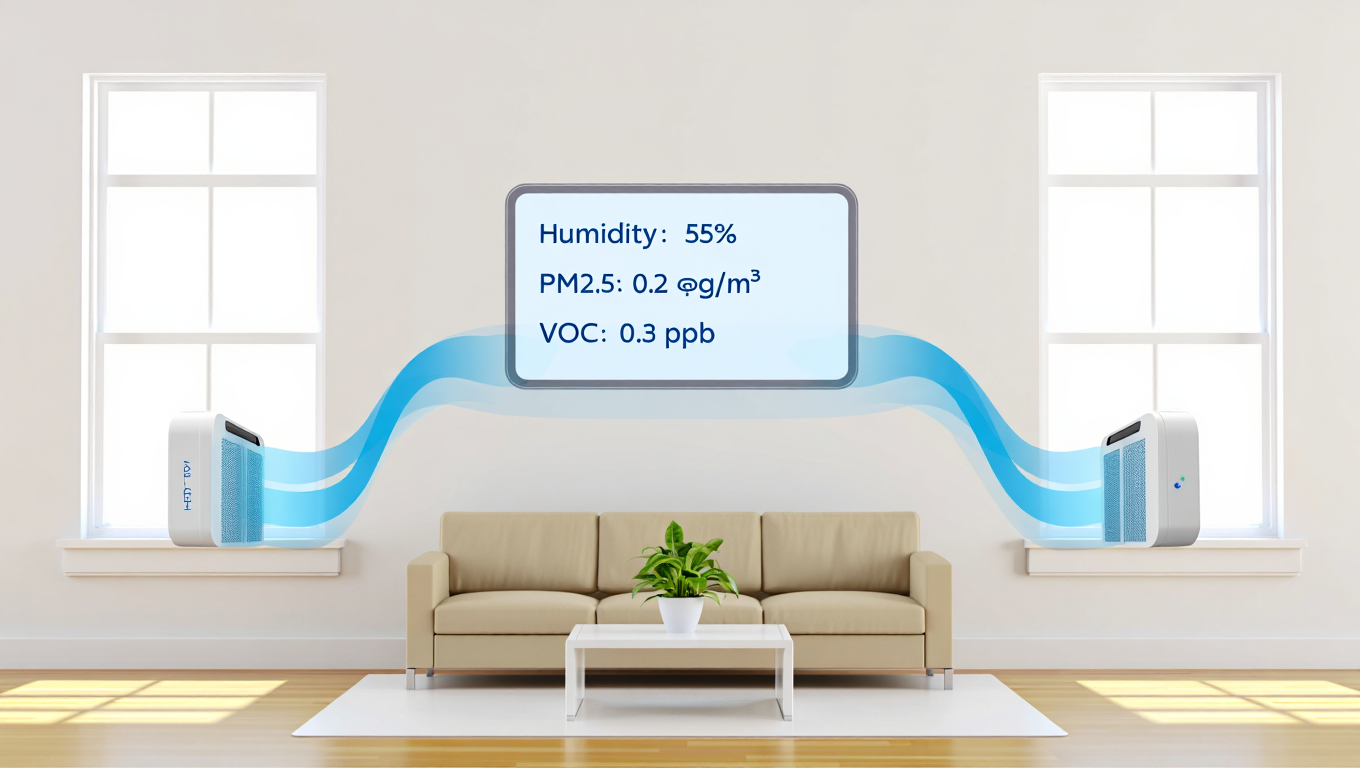
3. IAQ Solutions Will Become Standard in Residential Installs

IAQ is no longer a niche add-on—it’s now a default conversation with homeowners.

By 2026, expect:

  • MERV 13+ filtration as the new baseline

  • whole-home air monitors included with system installs

  • integrated IAQ dashboards inside smart thermostats

  • UV-C and bipolar ionization (UL-listed systems only) regaining traction

Commercial IAQ investments (especially in schools and offices) will continue to rise due to public health and productivity pressure.

Supporting links:

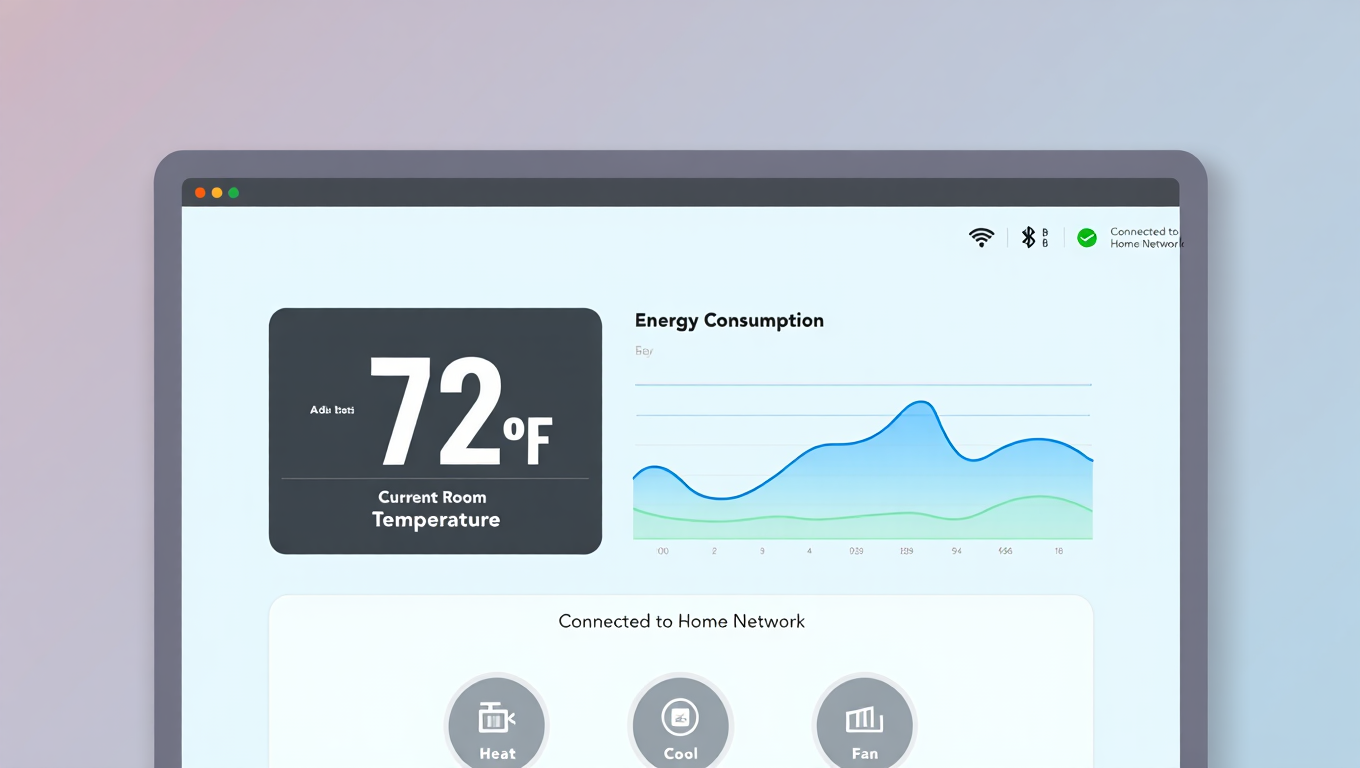
4. Smart Homes Will Demand Fully Connected HVAC Ecosystems

Smart HVAC controls have grown exponentially since 2020, but 2026 is the year everything becomes truly integrated.

Expect growth in:

  • predictive maintenance alerts

  • AI-driven energy optimization

  • load-shifting features for utility rebates

  • zoning system integration into whole-home dashboards

  • universal control platforms (Matter, Thread, HomeKit, SmartThings, etc.)

Systems that can “talk” to each other—heat pump + water heater + ERV + zoning + utility portal—will dominate.

Supporting links:

5. A Surge in Rooftop Unit (RTU) Replacements Across Commercial Buildings

Tens of thousands of commercial RTUs installed between 2000–2010 are now at end-of-life.
Pandemic-delayed replacements will converge with rising energy costs, creating a 2026 rooftop boom.

Many RTUs will be replaced with:

  • heat-pump RTU models

  • VRF/VRV retrofits

  • DOAS + VRF hybrid systems

Schools, strip malls, and government buildings will drive most of the activity.

Supporting links:

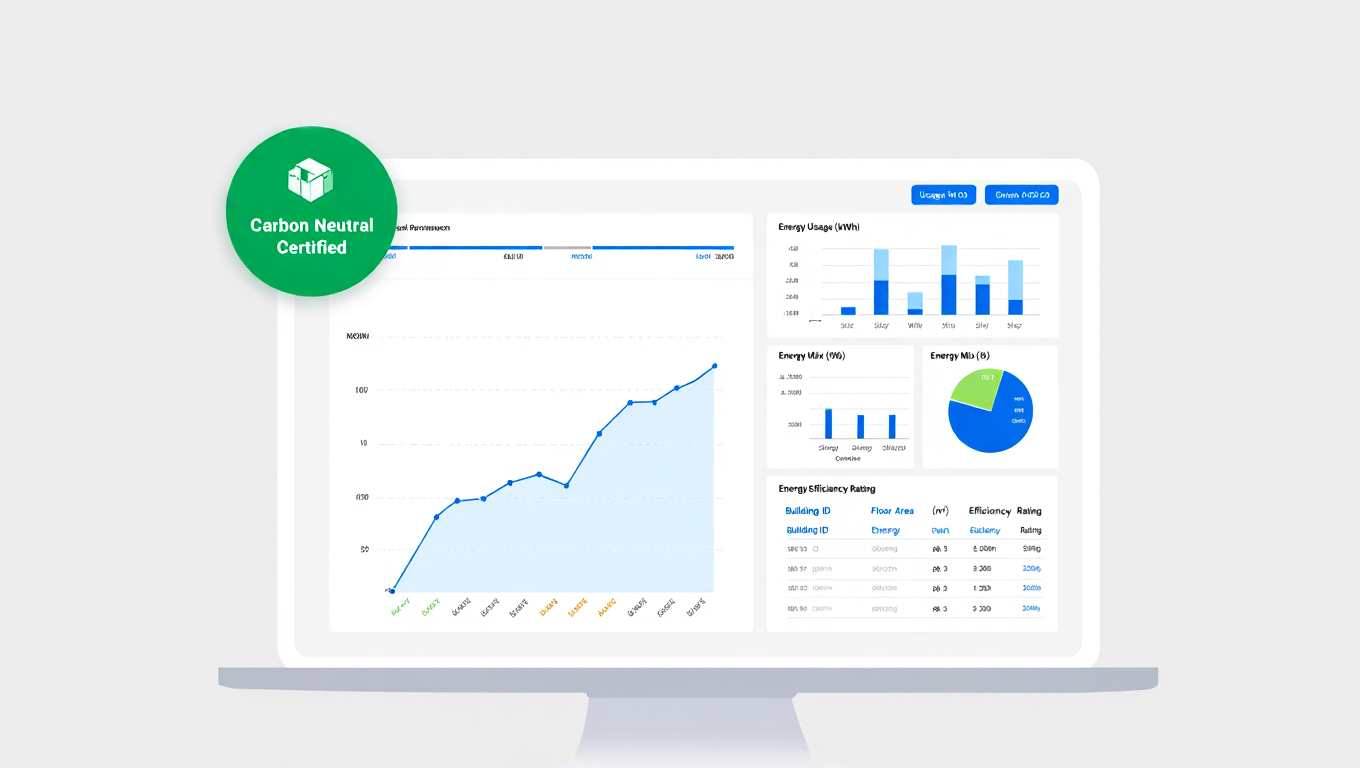
6. Carbon Reporting Requirements Will Push HVAC Data Transparency

More states are enacting building performance standards (BPS).
This means commercial HVAC systems must provide measurable energy and carbon data.

Expect an increase in:

  • cloud-connected RTUs and chillers

  • equipment-level submetering

  • carbon dashboards

  • performance verification audits

Contractors will increasingly be asked to help building owners maintain compliance.

Supporting links:

  • Building Performance Standards Coalition: https://www.whitehouse.gov/environmentaljustice/bps

7. CO₂ (R744) Heat Pumps Will Enter U.S. Residential Markets

R744 heat pump water heaters and hydronic systems saw large adoption in Europe and Asia in 2024–2025.

In 2026, CO₂ refrigerant systems will finally begin gaining momentum in:

  • multifamily

  • retrofits

  • cold-climate regions

  • hydronic replacement markets

Expect fast growth due to:

  • ultra-low environmental impact

  • excellent cold-climate performance

  • high water-heating efficiency

Supporting links:

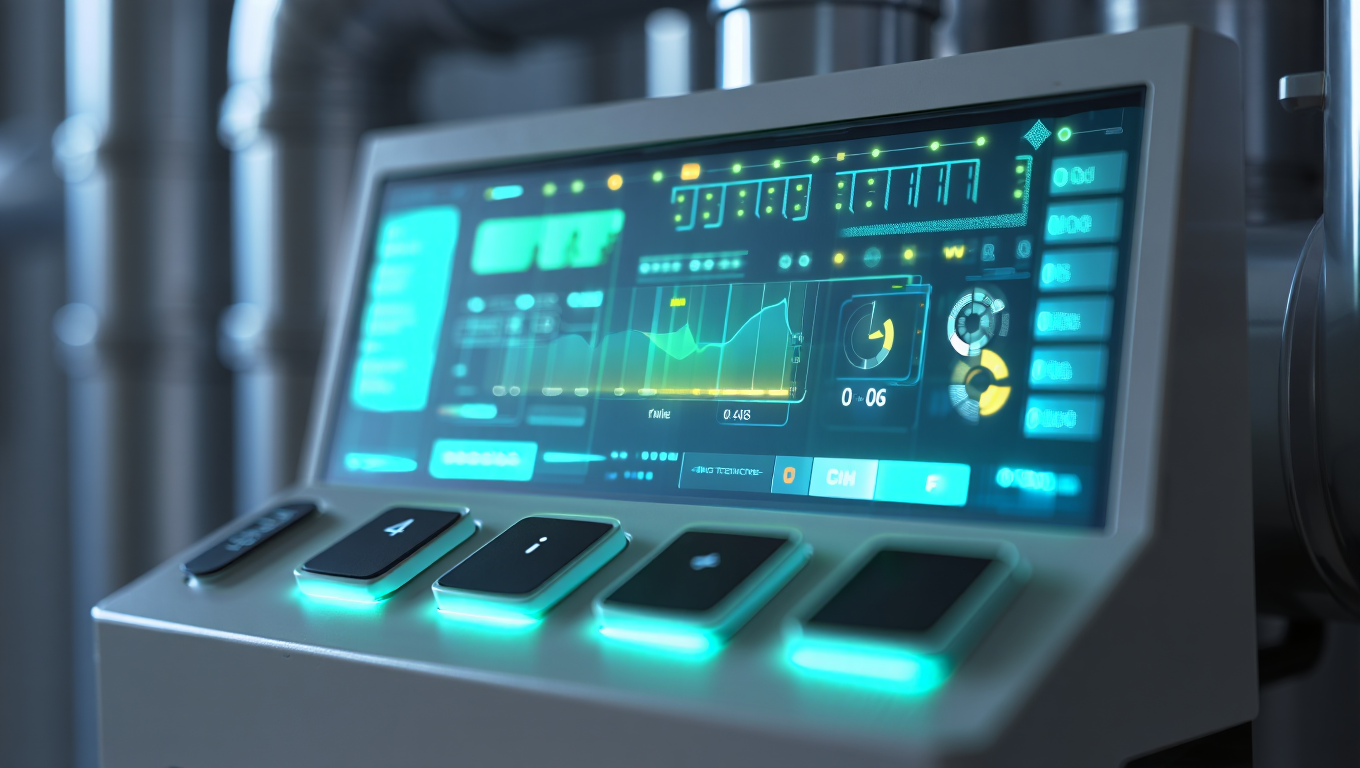
8. Predictive Maintenance Will Become Expected, Not Optional

AI-driven diagnostics will become standard in both residential and commercial HVAC equipment.

New features in 2026 will include:

  • compressor lifespan modeling

  • airflow deterioration alerts

  • coil fouling prediction

  • real-time refrigerant leak detection

  • proactive service scheduling

Manufacturers increasingly push software subscriptions tied to equipment analytics.

Supporting links:

9. Continued Explosive Growth of HVAC Zoning Systems

With homeowners demanding room-by-room comfort and rising energy bills, HVAC zoning is on track for its biggest year yet in 2026.

Drivers include:

  • the spread of inverter heat pumps

  • higher energy prices

  • smart home expectations

  • comfort variability in modern multi-story homes

Contractors increasingly add zoning to mid- and high-end system installs as a standard upgrade, not a luxury.

For installers and distributors, this category is expected to grow 20–35% in 2026, outpacing most other HVAC accessories.

Helpful resource:

10. SmartZone 3.0 Will Accelerate the Zoning Modernization Trend

2025 saw the release of SmartZone 3.0 by Ecojay—one of the most anticipated zoning updates in years.
In 2026, adoption is expected to expand rapidly due to:

  • simplified install workflow

  • upgraded damper communication

  • more powerful control logic

  • support for advanced heat pump sequences

  • full multi-stage and variable-capacity compatibility

Both SmartZone-4X 3.0 and SmartZone-3X 3.0 are becoming preferred solutions for contractors who want:

  • fewer callbacks

  • fast setup

  • intuitive diagnostics

  • reliable damper control

  • compatibility with modern thermostats

Learn more:

With heat pumps taking over the U.S. market, 2026 is shaping up to be the year zoning finally becomes mainstream.

Looking Ahead

2026 will be a transformative year across the entire HVAC sector.
From refrigerants to zoning to smart home integration, every major trend pushes toward:

  • electrification

  • efficiency

  • data transparency

  • comfort customization

  • smarter control ecosystems

The companies that adapt quickly—contractors, manufacturers, and distributors—will have their strongest year yet.

Is Zone Control really for everyone?

Zone Control Info, HVAC Industryzoning supplyComment

Why Your Residential and Light Commercial Forced-Air Systems Need a Zone Control System

In today's world, energy efficiency and personalized comfort are top priorities for homeowners and business owners alike. One technology that can significantly improve both is a zone control system for your forced-air heating and cooling systems. At ZoningSupply.com, we believe that implementing a zone control system, such as the SmartZone from Ecojay, can transform how you experience comfort in your home or business. Here’s why.

Understanding Zone Control Systems

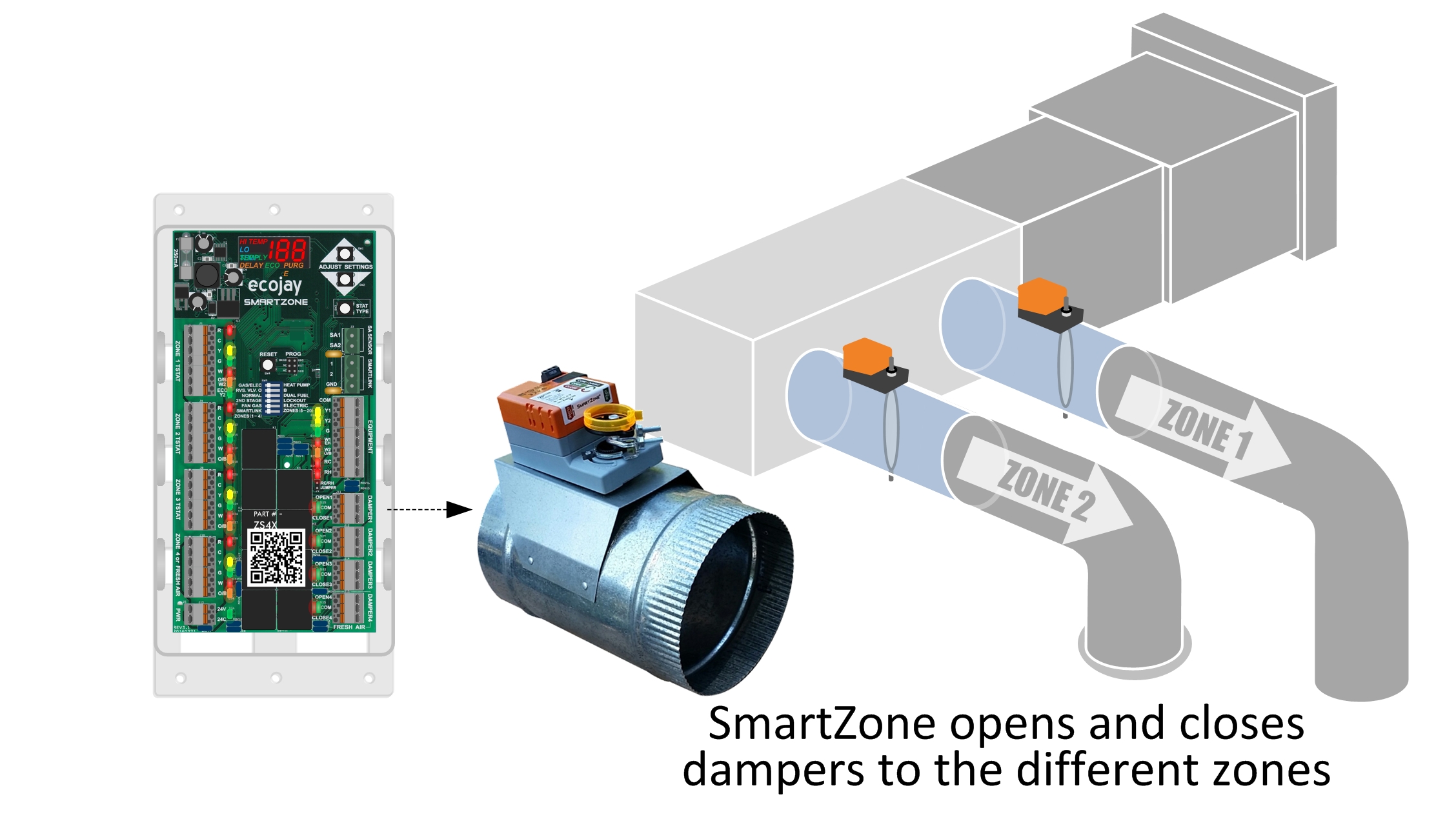
A zone control system divides your home or business into different zones, each of which can be heated or cooled independently. This is achieved through the use of dampers installed in the ductwork and controlled by a central system that responds to separate thermostats placed in each zone. This allows for precise temperature control in different areas, leading to numerous benefits.

Benefits of Zone Control Systems

1. Enhanced Comfort

With a zone control system, you can maintain different temperatures in different areas of your home or business. For example, you might prefer a cooler bedroom at night but a warmer living room during the day. Zoning allows you to set the perfect temperature for each zone, ensuring optimal comfort for everyone.

2. Energy Efficiency and Cost Savings

Heating or cooling your entire home or business uniformly can lead to wasted energy and higher utility bills. Zone control systems reduce energy consumption by only conditioning the areas that need it, rather than the entire building. This targeted approach can lead to significant cost savings over time.

3. Extended HVAC System Lifespan

By reducing the workload on your HVAC system, zone control can help extend its lifespan. Since the system isn’t working as hard to maintain a uniform temperature throughout the entire building, there’s less wear and tear on the equipment. This can result in fewer repairs and a longer life for your system.

4. Improved Indoor Air Quality

Zone control systems can improve indoor air quality by ensuring that the HVAC system is not overworking and potentially spreading dust, allergens, and other pollutants throughout the entire building. By focusing on specific zones, it’s easier to manage and maintain cleaner air.

5. Customization and Control

Modern zone control systems, like Ecojay's SmartZone, offer advanced customization and control options. You can easily set schedules, make adjustments remotely, and monitor system performance, all of which contribute to a more efficient and user-friendly experience.

Why Choose Ecojay's SmartZone?

Ecojay's SmartZone system stands out in the market for several reasons:

1. Advanced Technology

SmartZone utilizes advanced technology to ensure precise control and efficient operation. Its intelligent algorithms and user-friendly interface make it easy to customize settings for optimal performance.

2. Easy Integration

The SmartZone system is designed to integrate seamlessly with most residential and light commercial forced-air systems. Whether you’re retrofitting an existing system or installing a new one, SmartZone provides a straightforward and efficient solution.

3. Reliable Performance

Ecojay is known for its reliable and durable products. The SmartZone system is built to withstand the demands of regular use, ensuring consistent and dependable performance over time. All parts come with 5 year warranty.

4. Remote Access and Control

WiFi Thermosat -ST300
$99.99

With SmartZone connected to WiFi thermostats such as NEST, ECOBEE, VINE, etc, you can control your system from anywhere using a smartphone or tablet. This remote access capability allows you to make adjustments on the go, ensuring your comfort and efficiency needs are always met.

5. Energy Management Features

SmartZone includes features designed to optimize energy use, such as programmable limits and economizer capability. Additionally, using the Wifi Thermostats’ logging capabilities, can help you understand and manage your energy use more effectively.

Conclusion

Investing in a zone control system like Ecojay’s SmartZone is a smart move for anyone looking to enhance comfort, increase energy efficiency, and save on utility costs. At ZoningSupply.com, we’re committed to providing the best solutions for your heating and cooling needs. By implementing a zone control system, you can enjoy the benefits of personalized comfort, reduced energy consumption, and a longer-lasting HVAC system.

Revolutionize your home or business’s heating and cooling efficiency with SmartZone today!

If you have questions or comments, let us know!