
If it’s difficult or impossible to run a wire from the new thermostat location back to the SmartZone panel, there are two common solutions:
1. Use a Wireless Thermostat System
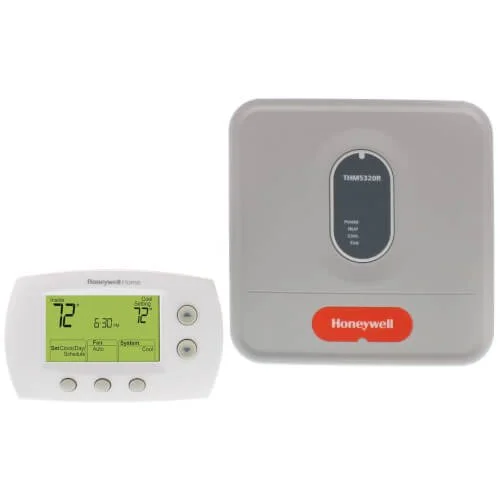
A wireless thermostat, such as Honeywell RedLINK or Braeburn BlueLink, communicates wirelessly with a receiver that is connected to the SmartZone panel.
Pros
No thermostat wire needs to be run through walls, floors, or ceilings.
The thermostat can be installed almost anywhere.
Works like a traditional thermostat for controlling the zone.
Good solution when the thermostat and SmartZone panel are far apart.
Cons
Requires a compatible wireless thermostat and receiver.
More expensive than a basic wired thermostat.
Requires batteries or another power source at the thermostat, depending on the model.
Battery life will always be an issue, especially of Wi-Fi connectivity or APP control is desired.
2. Use a Wireless Remote Temperature Sensor
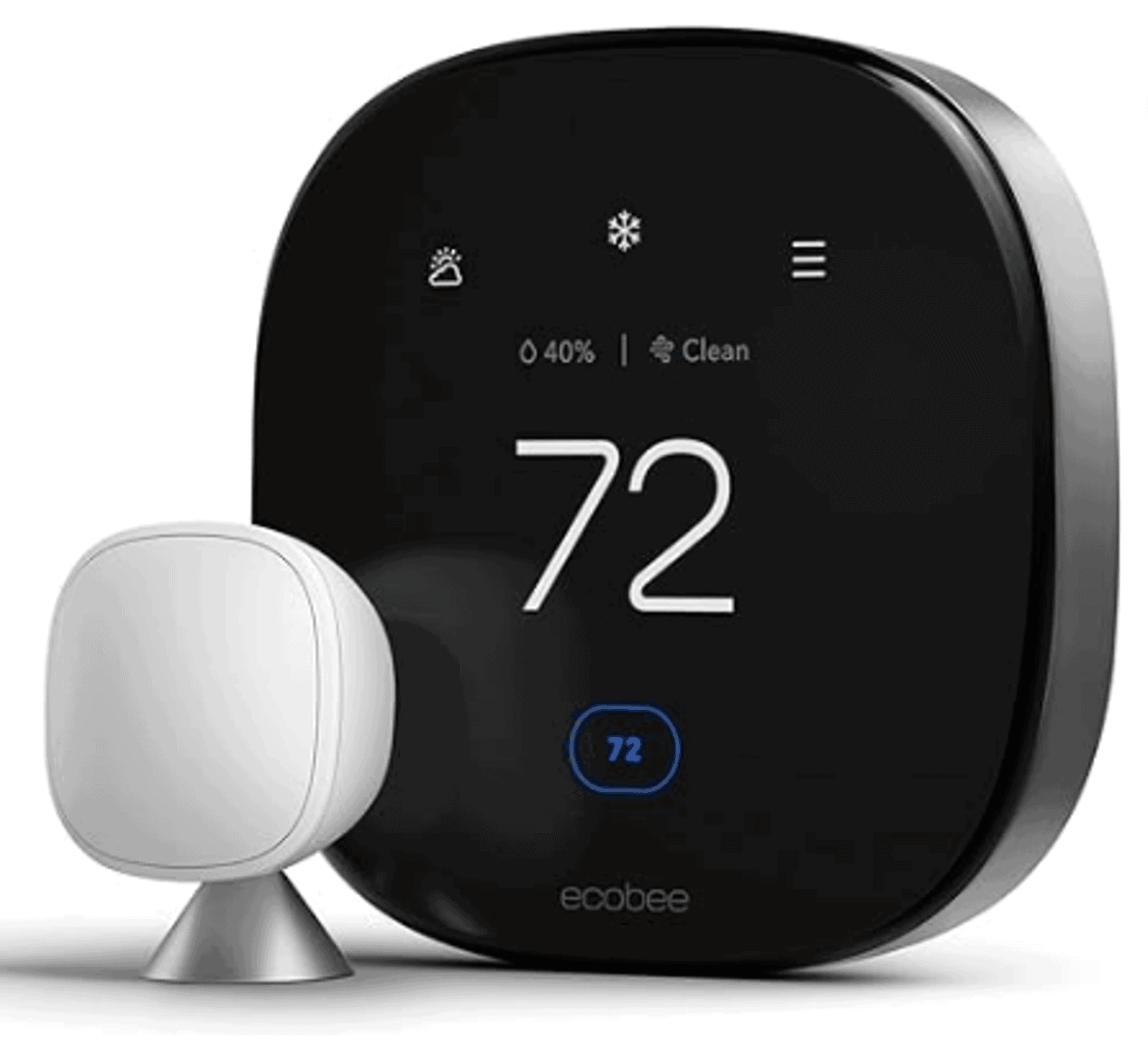
Another option is to install a thermostat such as ecobee or Nest in a convenient location where it can be wired to the SmartZone panel, while placing a wireless remote temperature sensor in the actual zone.
The thermostat is configured to use the remote sensor's temperature for its heating and cooling decisions.
Pros
The thermostat itself does not have to be located in the zone.
The remote sensor can be placed where it is difficult to run thermostat wire.
Provides flexibility for homes where the ideal thermostat location is inaccessible.
Can be a great option when you already use a smart thermostat system.
Cons
Requires a compatible smart thermostat and remote sensor.
Requires the use of an APP to control thermostat and settings instead of a physical thermostat.
More complicated to configure than a standard thermostat.
The thermostat must be compatible with using the remote sensor for temperature control, not simply displaying the temperature.
Usually more expensive than a conventional thermostat.
The simple difference
Wireless thermostat:
The thermostat itself is wireless and communicates with a receiver connected to SmartZone.
Wireless remote sensor:
The thermostat is wired to SmartZone, but it uses a wireless sensor located in the zone to determine the temperature.
Tip: Before choosing either option, verify that the specific thermostat/receiver or remote-sensor system is compatible with the SmartZone installation and can provide the control function you need.
COMING SOON!!!
Coming Soon: A New Wireless Thermostat Option for SmartZone
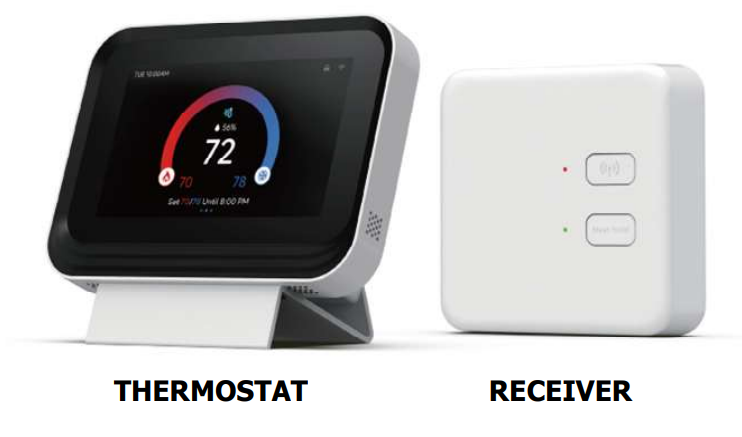
For SmartZone customers who need to add a thermostat to a zone but can't easily run new thermostat wire, there is another option coming soon.
ECOJAY and ZoningSupply.com will soon offer the RST200 Wireless Remote Stat, giving homeowners and installers a simple way to locate a thermostat where it is needed without having to run a traditional thermostat cable back to the SmartZone panel.
The RST200 uses a wireless thermostat panel and a separate HVAC receiver. The receiver is wired to the HVAC equipment, while the thermostat panel can be mounted on a wall or placed on a tabletop in the desired location. The thermostat communicates wirelessly with the receiver, eliminating the need for a physical thermostat wire between the two.
Why the RST200 is especially interesting for SmartZone installations:
No long thermostat wire run between the thermostat location and the SmartZone equipment.
Wall or tabletop mounting provides flexibility in choosing the thermostat location.
Full-color touchscreen with both basic and advanced thermostat functions.
Supports conventional single-stage systems and single-stage heat pumps with auxiliary/emergency heat, including dual-fuel applications.
Built-in Wi-Fi connectivity provides smart-home features through the Tuya Smart Life app, with support for Alexa and Google Assistant.
The thermostat is powered separately, allowing it to be installed in a convenient location without relying on thermostat wiring for power.
The RST200 will be available exclusively from ECOJAY and ZoningSupply.com. It will provide SmartZone installers with another practical tool for those challenging installations where running a new thermostat wire simply isn't practical.
Coming soon (early 2027) —watch ECOJAY and ZoningSupply.com for availability.
OR go to this link to sign up for notification when the RST200 becomes available for PRE-order (and receive promotional discount):
https://zoningsupply.com/rst200

